Country
Companies10 of 22
revolut.com
Revolut
revolut.com🇱🇹 Lithuania
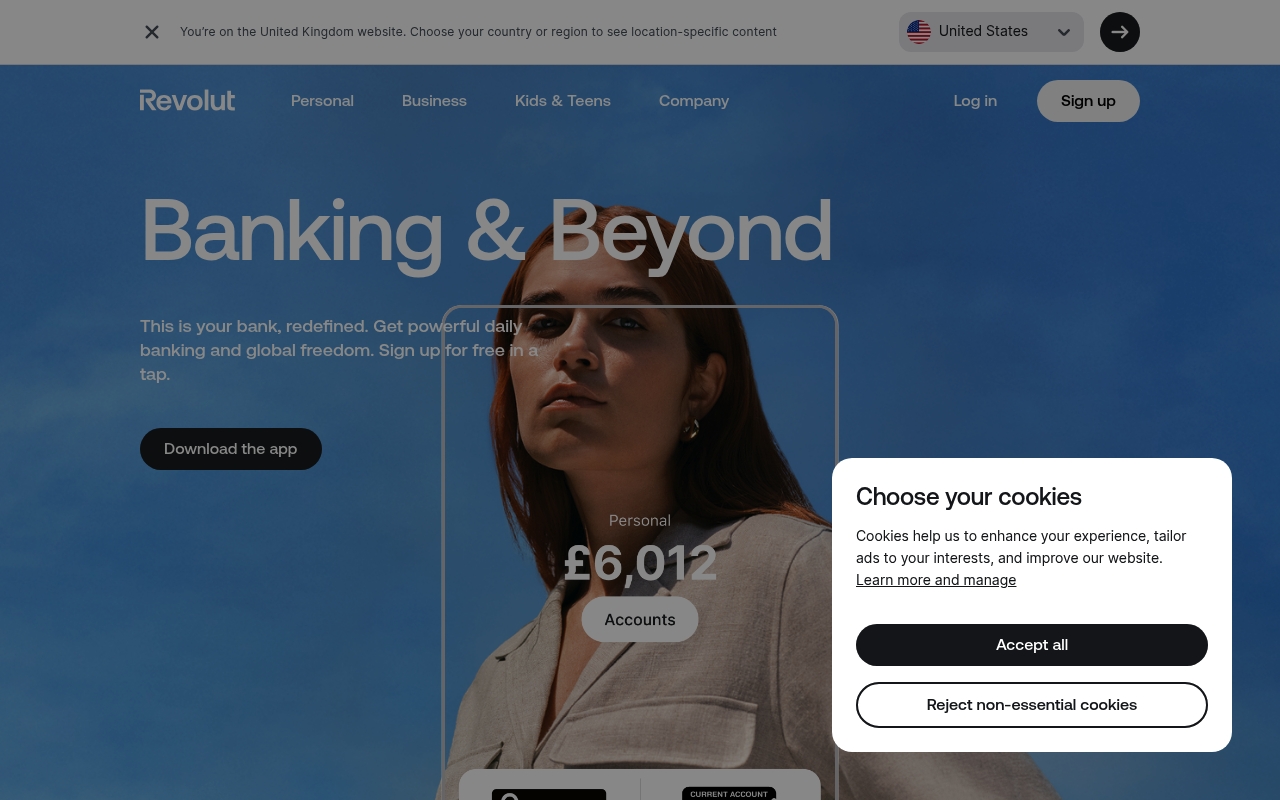
Revolut is a London-born mobile banking platform that turned the idea of a bank in your pocket into reality. It started as a borderless payments app and has evolved into something far more ambitious: a full-stack financial operating system for the smartphone generation. Most traditional banks still treat international transfers as a painful, expensive legacy process. Revolut made them free and instant.
The app combines a debit card, multi-currency accounts, cryptocurrency trading, insurance, and investment tools into a single interface. It's designed for people who spend time across borders, who think in multiple currencies, and who want their financial life streamlined into one place rather than scattered across apps. Founded in 2015, Revolut has grown into one of Europe's most recognizable fintech brands, with millions of active users across the continent. The company operates its own banking licenses in multiple jurisdictions, giving it the regulatory foundation to move fast where traditional banks move cautiously.
What sets Revolut apart is its refusal to accept friction as inevitable. Travel shouldn't require currency conversion fees. Payments shouldn't require knowing IBAN codes. Investing shouldn't require a separate broker account. In the broader fintech landscape, Revolut represents the shift toward unbundled, mobile-first financial services that challenge the notion that banking needs to be complicated.
Categories
Digital BankingPaymentsWealthCrypto & BlockchainPersonal Finance
0
upvotes
mambu.com
Mambu
mambu.com🇩🇪 Germany
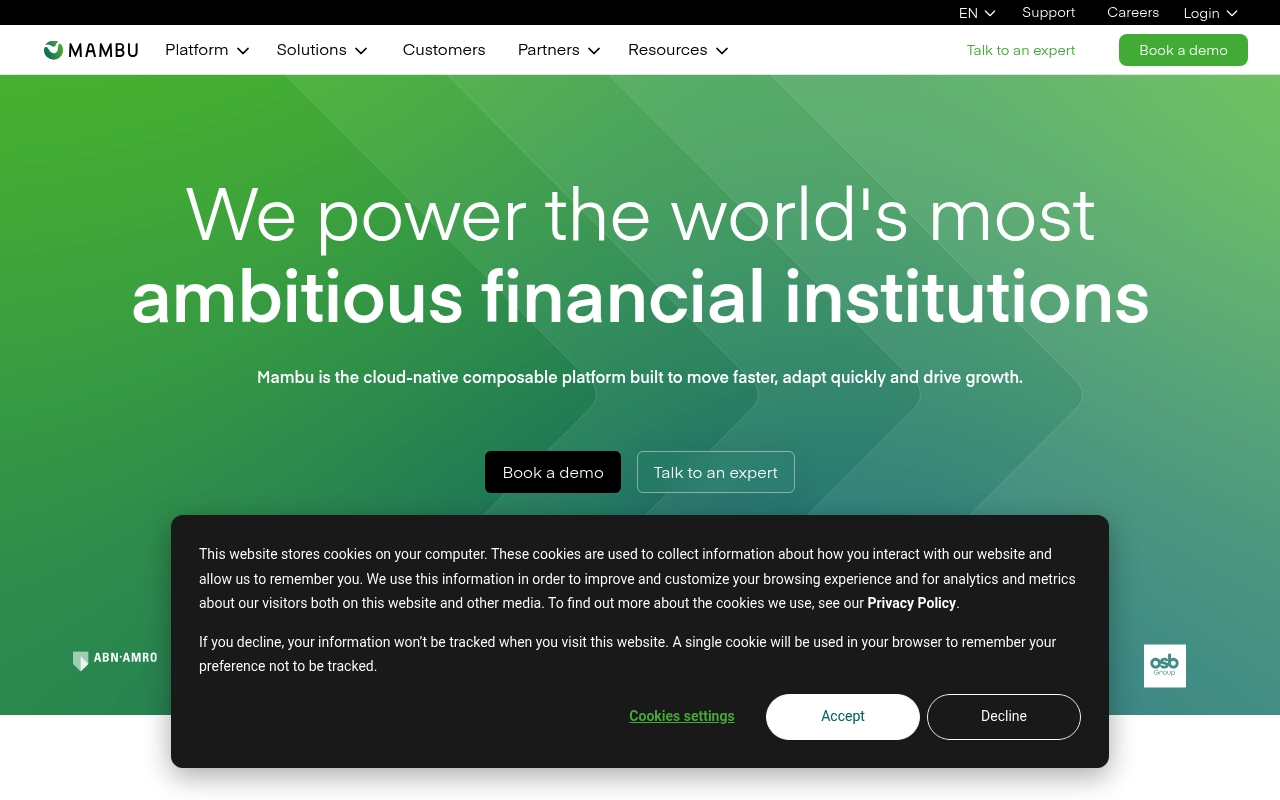
Mambu is a cloud-native banking software platform that lets financial institutions and fintechs launch and operate lending and deposit products without building from scratch. Rather than forcing customers into rigid legacy systems, Mambu provides composable banking infrastructure—modular APIs and pre-built components that work together or stand alone, depending on what you actually need.
The company sits at the intersection of two fintech realities: traditional banks are drowning in outdated core systems that can't keep pace with market demands, while new lenders and neobanks need speed without sacrificing compliance or scale. Mambu's approach is to be the operating system underneath, handling the heavy lifting of loan origination, deposit management, portfolio servicing, and regulatory reporting while letting clients focus on customer experience and product innovation.
What makes Mambu different from other core banking platforms is its emphasis on velocity. Institutions deploy in weeks rather than years. The platform is genuinely modular—you can pick the lending module, the deposit module, or both, and layer in third-party services through APIs. This flexibility has resonated with everyone from African microfinance networks to European challenger banks to enterprise lenders managing complex credit products.
Mambu is now a critical piece of infrastructure in the emerging markets fintech ecosystem, particularly across Africa and Asia, where it powers lending operations for hundreds of financial institutions. In Europe, it's carved out space among mid-market and challenger banks looking to avoid the capital expenditure and technical debt of legacy systems. The company represents a broader shift in fintech: away from end-to-end platforms that claim to do everything, toward specialized infrastructure that does one thing—backend financial operations—exceptionally well.
Categories
LendingDigital BankingFinancial Infrastructure
0
upvotes
paysera.com
Paysera
paysera.com🇱🇹 Lithuania
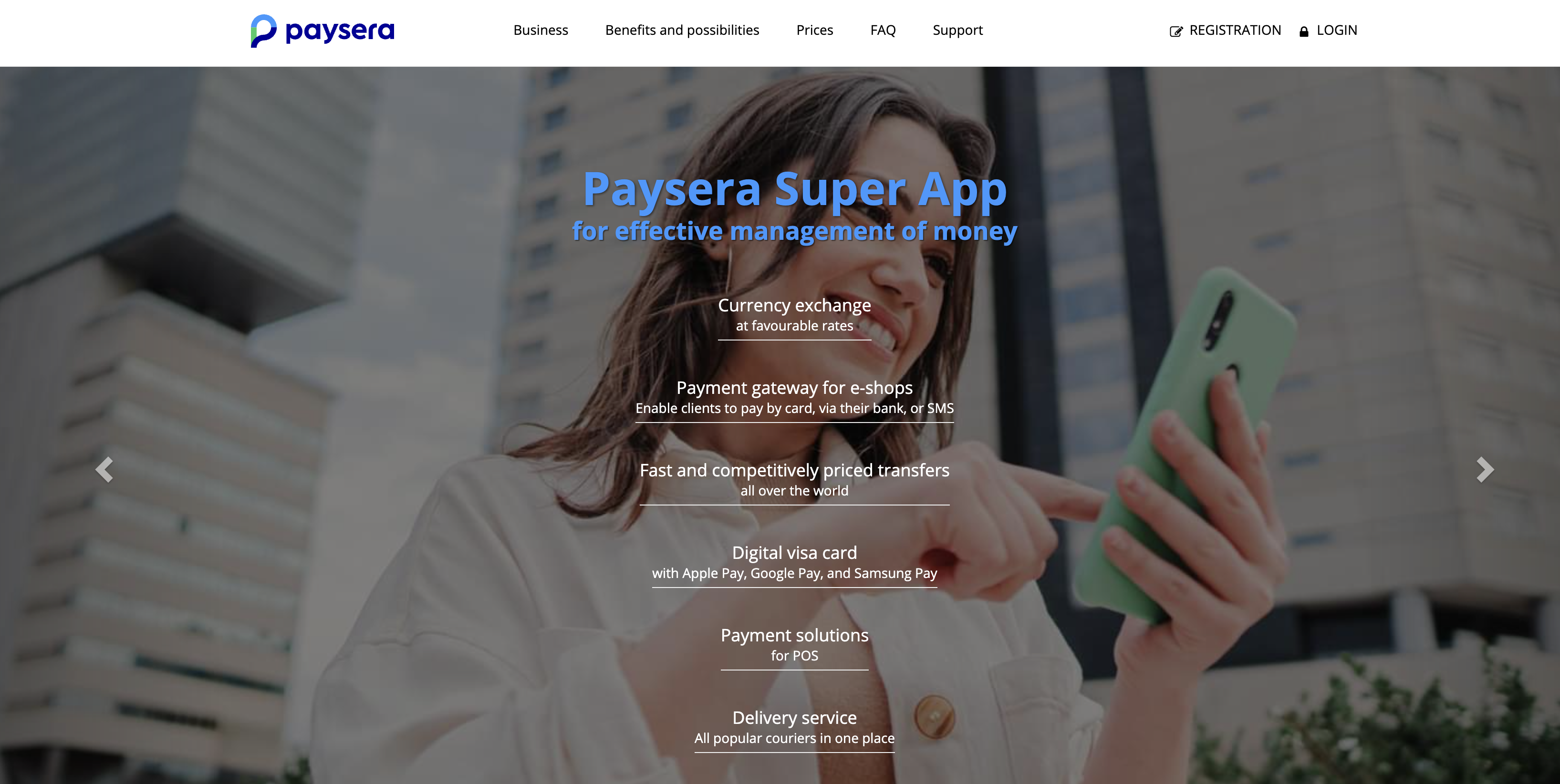
Paysera is a Lithuanian fintech company that has quietly built one of Europe's most comprehensive payment and banking platforms, serving millions of users across the continent. Rather than chasing hype, Paysera focuses on practical utility—combining payment processing, digital accounts, currency exchange, and invoicing tools into a single interface that works across borders and languages. The platform powers everything from freelancers managing invoices to SMEs handling payroll, while also offering consumer-facing services like multi-currency wallets and competitive exchange rates. What sets Paysera apart is its unglamorous pragmatism: it solves real friction in how Europeans move, spend, and manage money across different countries, without the startup theatrics. It's the kind of company that doesn't dominate headlines but has become indispensable infrastructure for a significant portion of the continent's digital economy. In the crowded European fintech landscape, where newer players chase consumer attention and legacy banks chase compliance, Paysera operates in the profitable middle—trusted by businesses and individuals who value reliability and cross-border simplicity over brand prestige.
Categories
Financial InfrastructurePaymentsDigital BankingSME Finance
0
upvotes
monzo.com
Monzo
monzo.com🇬🇧 United Kingdom
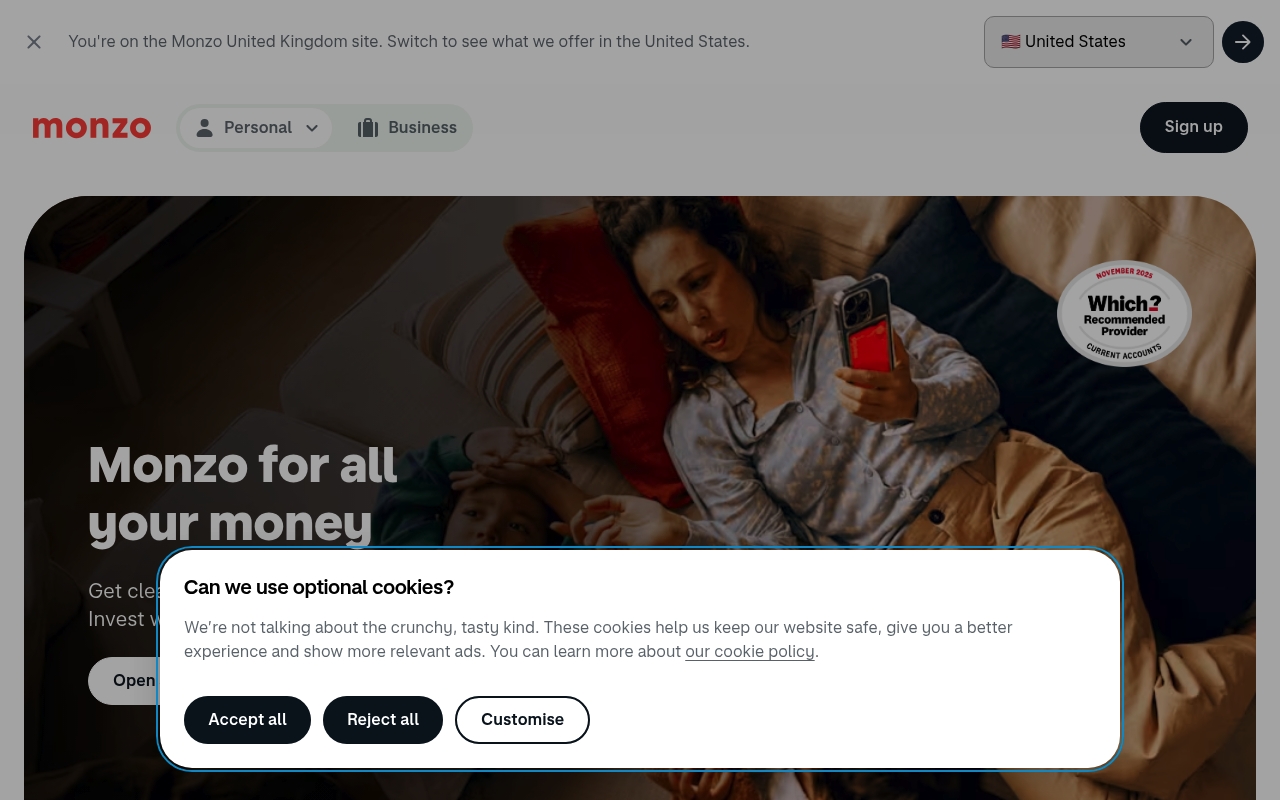
Monzo is a mobile-first digital bank that has spent the last decade proving that banking doesn't need to feel like a relic from the 1980s. Built for smartphones rather than retrofitted onto them, the app strips away the friction of traditional banking—opening an account takes minutes, spending notifications arrive in real time, and money management happens where you're already looking: your phone.
The company operates as a fully licensed UK bank, not just a payments layer on top of someone else's infrastructure. That matters. It means Monzo holds deposits, offers overdrafts, issues physical and virtual debit cards, and increasingly functions as a complete financial home for a generation that never wanted a branch.
What separates Monzo from the neobank noise is its relentless focus on customer experience and transparency. There are no hidden fees, no complicated terms, and the company communicates directly with users through in-app messaging. Spending analytics happen automatically; budgeting tools surface insights without lectures. The interface is designed for people, not processes.
In the European fintech landscape, Monzo represents the mature challenger bank—no longer purely disruptive, but profitable and expanding. It's expanded beyond the UK into Europe, launched business accounts, and continues to add services like savings pots and financial wellness features. It's the answer to the question: what happens when a digital bank stops experimenting and starts becoming the primary financial account.
Categories
Digital BankingPersonal Finance
0
upvotes
payhawk.com
Payhawk
payhawk.com🇧🇬 Bulgaria
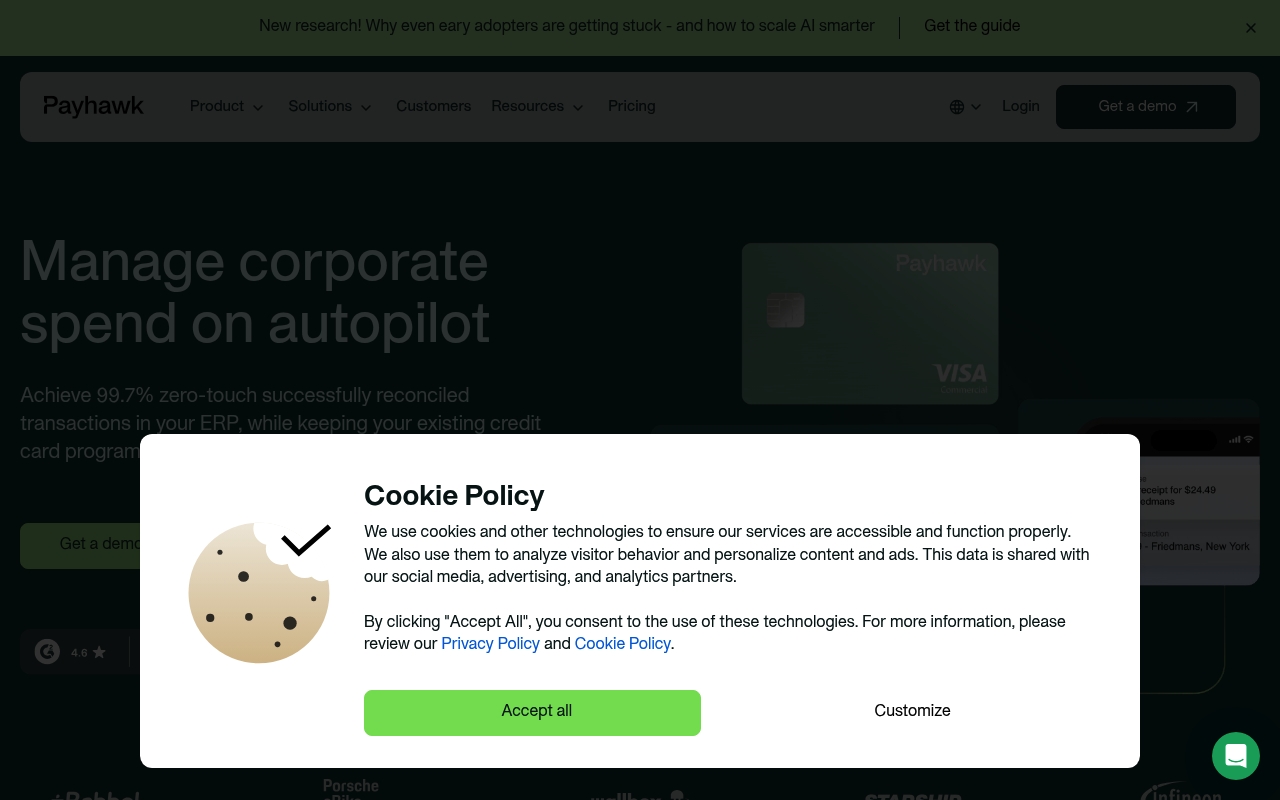
Most companies still manage corporate spending the way they did a decade ago—expense reports, manual reconciliation, scattered receipts. Payhawk has built something radically simpler: a unified spending platform that gives finance teams complete visibility into every company transaction, from the moment it's authorized to the moment it's reconciled. The platform combines physical and virtual cards, automated expense management, and real-time spend controls in a single dashboard.
What sets Payhawk apart in the crowded corporate finance space is its refusal to compromise on user experience. Employees aren't fighting clunky interfaces or wrestling with legacy systems. Instead, they get an intuitive mobile app that feels like personal fintech, while finance teams gain the analytical firepower to actually manage policy, catch fraud, and optimize spending patterns. The company treats visibility not as a nice-to-have but as the foundation of control.
In Europe's SME and mid-market space, where most alternatives still rely on outdated card programs or disconnected software suites, Payhawk's integration of issuance, spend management, and analytics represents a meaningful shift. The company has quietly built something that enterprises have wanted for years: a spending platform that doesn't require compromise between employee experience and financial governance. For finance leaders tired of spreadsheets and reactive reporting, it's become the natural choice.
Categories
SME FinanceDigital BankingEmbedded Finance
0
upvotes
pleo.io
Pleo
pleo.io🇩🇰 Denmark
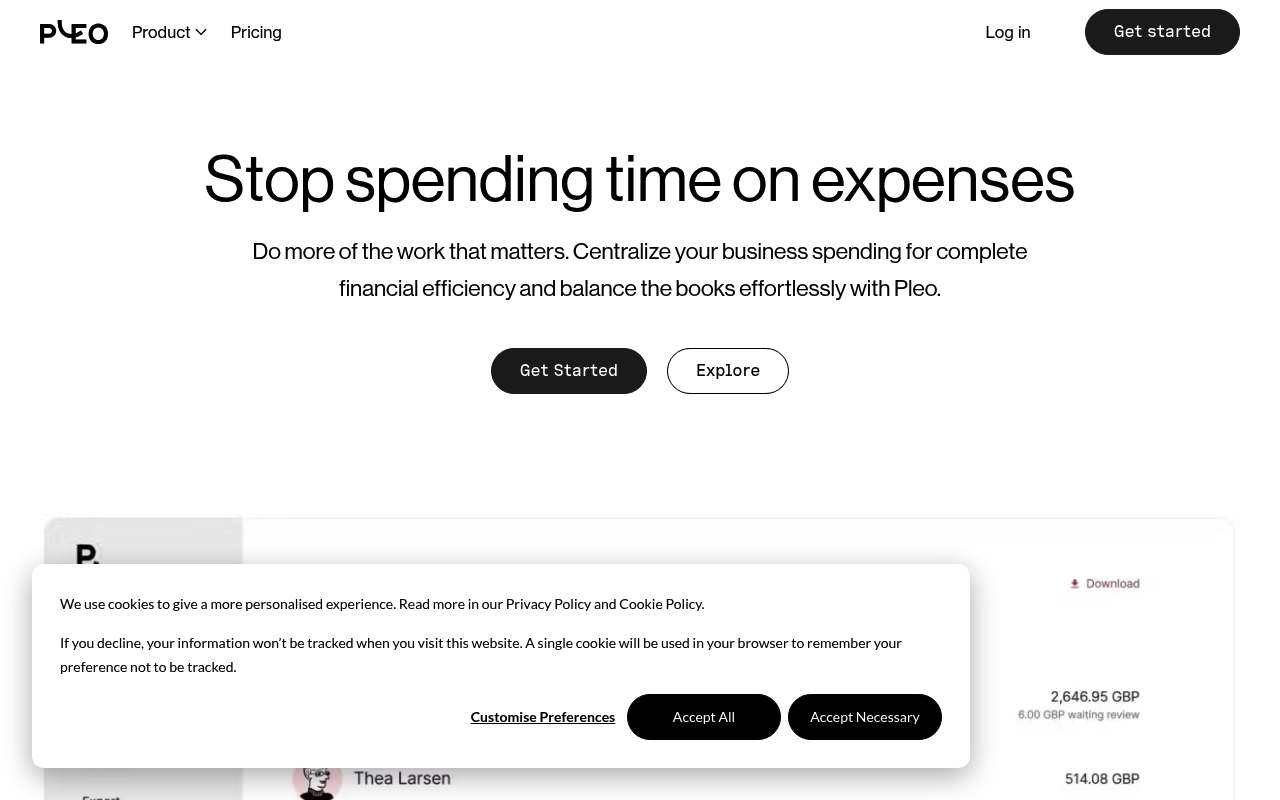
Pleo is a corporate expense management platform that treats company spending like a personal finance problem solved through software. Rather than the tedious reimbursement cycles and spreadsheet chaos of traditional corporate cards, Pleo gives employees physical and virtual cards coupled with real-time expense categorization and approval workflows that happen at the speed of a Slack message.
The company positions itself as the antidote to finance teams drowning in manual reconciliation. Employees get instant card access, automatic receipt capture via smartphone, and intelligent categorization that learns spending patterns. Meanwhile, finance teams gain real-time visibility into company spending without the usual lag and friction.
Pleo operates in a market where most companies still rely on legacy corporate card providers or outdated expense management software that feels bolted together from the 1990s. The Danish fintech has expanded across Europe, building a platform that combines the convenience of consumer fintech with the compliance and control requirements of enterprise finance.
It's become a reference point for how embedded finance and B2B SaaS can simplify workflows that enterprises have tolerated as painful for decades. The company sits comfortably at the intersection of business banking, card issuing, and expense automation—categories that individually are crowded but rarely integrated as seamlessly.
Categories
Digital BankingSME FinancePayments
0
upvotes
buut.com
BUUT
buut.com🇳🇱 Netherlands
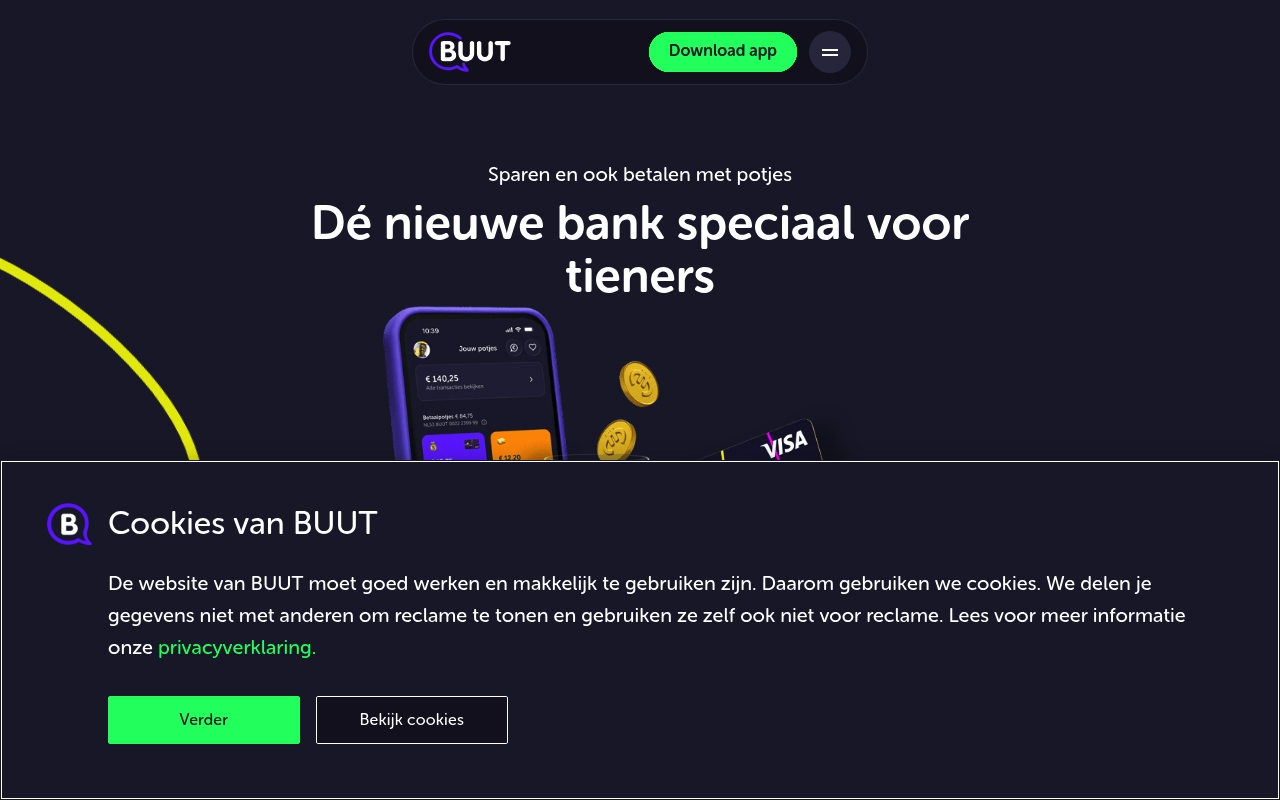
BUUT is part of a new wave of European neobanks rethinking what everyday banking should feel like—this time with a specific audience in mind: young users aged 10 to 16. Instead of overwhelming first-time users with complex features, it leans into simplicity, guidance, and a smoother introduction to managing money.
At its core, BUUT is designed to make financial habits easy to build early on. The app focuses on clean design, intuitive navigation, and a user experience that feels natural from the start. Spending, saving, and tracking money are presented in a way that’s easy to understand—less like dealing with a bank, and more like using a well-designed everyday app.
There’s also a shift in tone compared to traditional banking. BUUT speaks to a younger audience without talking down to them. It removes the friction and confusion that often come with financial tools, replacing it with clarity and a sense of control. The aim isn’t to teach finance through complexity, but to make good habits feel almost automatic.
What sets BUUT apart is its restraint. While many fintech apps compete to become all-in-one financial platforms, BUUT keeps things focused. It prioritizes usability and trust—especially important when users are just starting to interact with money on their own.
That makes it particularly relevant for a new generation growing up fully digital. BUUT fits naturally into their daily lives, offering a first step into financial independence without the intimidation factor.
In a crowded European fintech landscape, BUUT stands out by doing less, but doing it thoughtfully—helping younger users build confidence with money from the very beginning.
Categories
Personal FinanceDigital Banking
0
upvotes
token.io
Token
token.io🇬🇧 United Kingdom
Token is a London-based open banking platform that sits at the intersection of infrastructure and consumer experience, making API-driven financial connectivity feel less like plumbing and more like a natural part of how money moves. Rather than asking users to log into their banks manually or hand over passwords, Token handles account aggregation and payment initiation through direct bank connections—the infrastructure most fintech apps and traditional banks should have built themselves but didn't.
The company's core insight is that open banking is only useful if it actually works across borders, across device types, and across the chaos of fragmented financial systems. Token's platform standardizes this mess, letting fintechs, banks, and payment companies offer seamless experiences without getting bogged down in regional variations or legacy bank APIs that still feel like they were written in 2003.
What sets Token apart in the European market is its focus on developer experience without sacrificing enterprise-grade security and compliance. While competitors offer raw API access or clunky consent flows, Token treats the entire interaction—from user authentication to transaction confirmation—as a product problem, not just a technical one. They're essentially the connective tissue that lets modern financial products actually work at scale.
Token's role in fintech infrastructure means it powers an invisible layer: the moment you authorize a payment or link an account in an app that "just works," Token's orchestration is likely running underneath. That's the kind of foundational utility the ecosystem desperately needs.
Categories
Open BankingFinancial InfrastructureDigital Banking
0
upvotes
neofinance.com
NeoFinance
neofinance.com🇪🇸 Spain
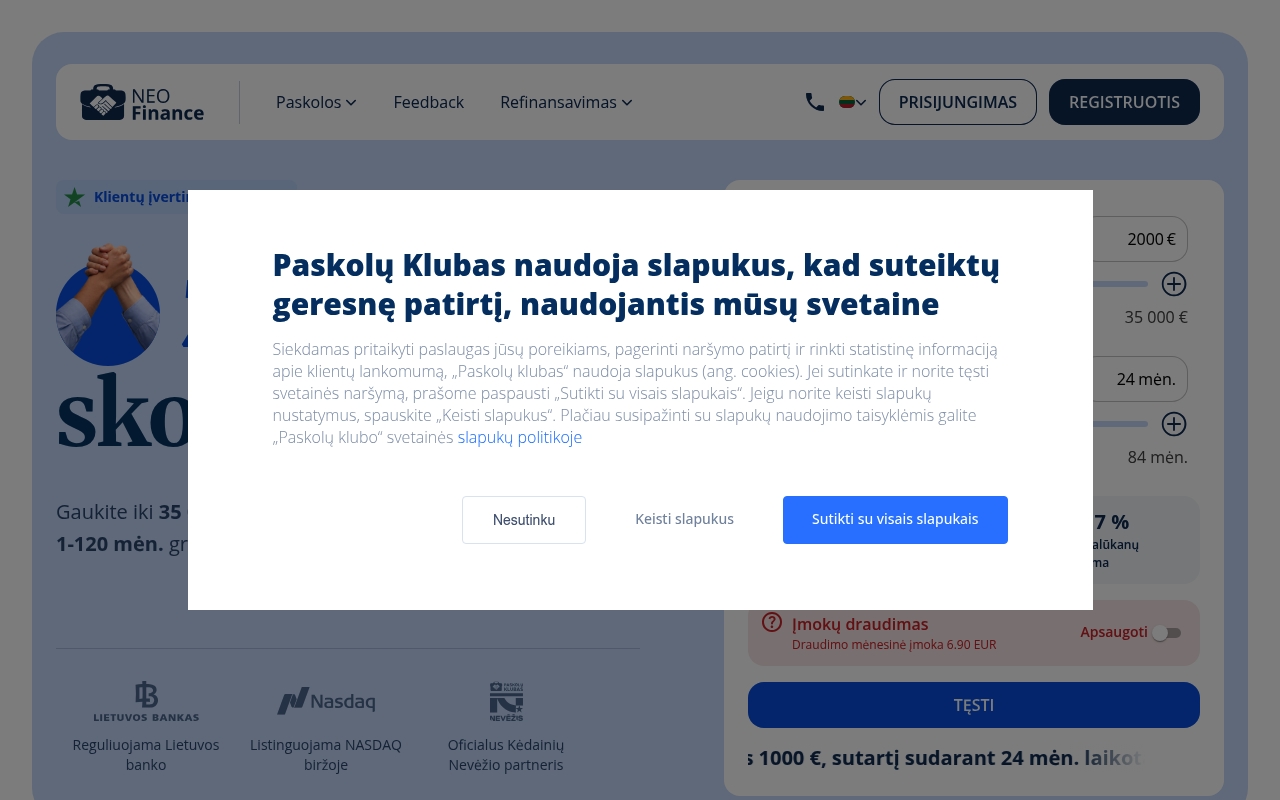
NeoFinance is a Spanish digital banking platform built for the pragmatist who wants real control over their money. Rather than another minimalist app promising vague wellness, it offers a functional, no-nonsense account with a European banking license backing it. The platform handles everyday banking—payments, transfers, savings—without the theatrical onboarding or constant upselling that defines the current neobank wave.
What sets NeoFinance apart is its focus on transparency and straightforward product design. It competes in a crowded challenger bank market, but avoids the lifestyle marketing that dominates the space. Instead, it emphasizes practical features: competitive FX rates, accessible customer service, and a clear fee structure. For users tired of being treated as growth metrics, NeoFinance reads as a refreshing counterpoint.
The company targets cost-conscious Europeans who value reliability over hype. It's positioned neither as a disruptor nor an innovator, but rather as a stable alternative to traditional banks that actually works on a smartphone. In a landscape where fintechs increasingly blur into lifestyle brands, NeoFinance's deliberate simplicity feels like a quiet rebellion.
Categories
Digital Banking
0
upvotes
coverflex.com
Coverflex
coverflex.com🇵🇹 Portugal
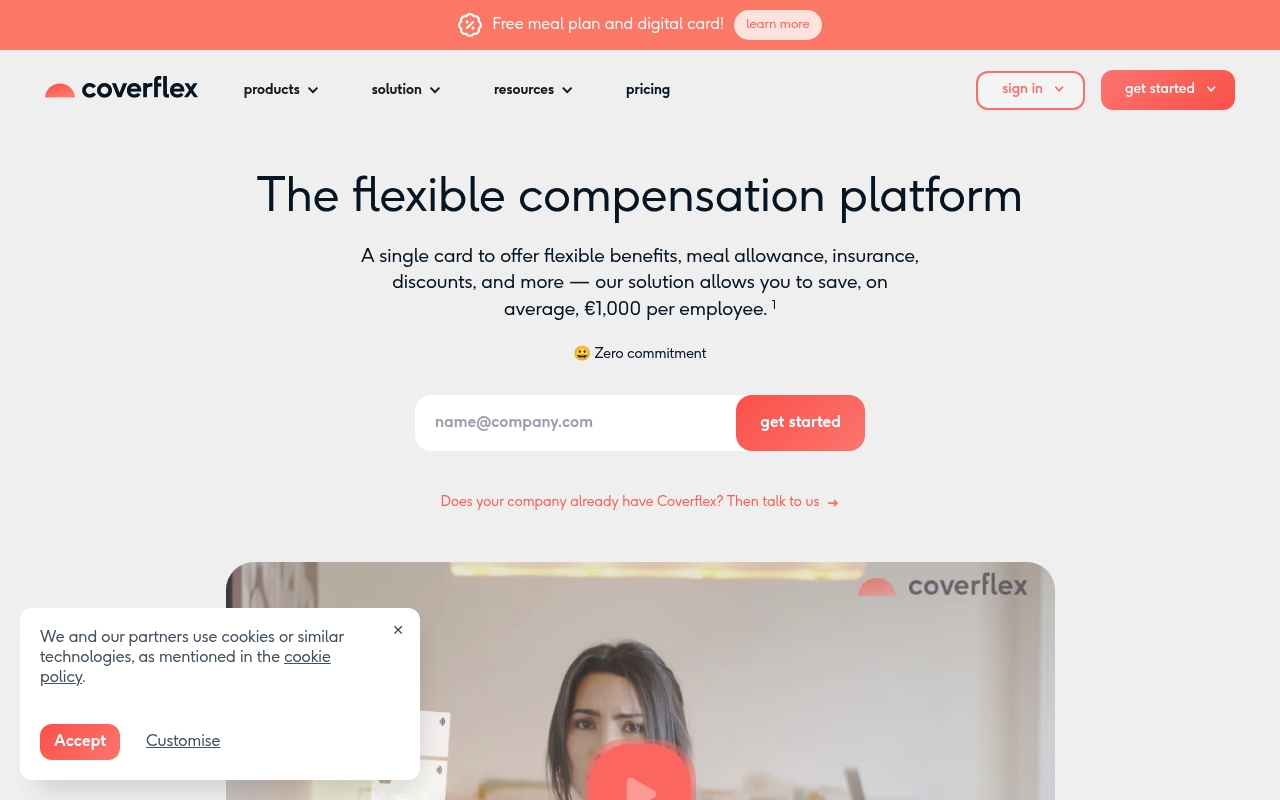
Coverflex is rewriting how freelancers and gig workers access financial security in Europe. Instead of the traditional employment model, the platform bundles flexible work with genuine benefits—health insurance, pension contributions, and paid leave—creating a middle path between employment and total independence.
The company essentially flips the script on gig economy precarity. Workers stay independent contractors but gain access to protections that were previously locked behind 9-to-5 employment. Employers get a simpler way to hire flexible talent without managing traditional payroll complexity. It's a fundamentally different architecture for modern work.
Coverflex operates across multiple European markets and has built a B2B2C model where companies use the platform to offer benefits to their contractor workforce. The business combines insurance brokerage, financial services coordination, and workplace infrastructure into one interface.
In a landscape where gig work remains fragmented and precarious, Coverflex sits at the intersection of fintech and HR tech, solving a genuine gap in how Europe's growing contingent workforce accesses security and stability.
Categories
Digital BankingSME FinanceInsurTech
0
upvotes