Country
Companies10 of 22
mollie.com
Mollie
mollie.com🇳🇱 Netherlands
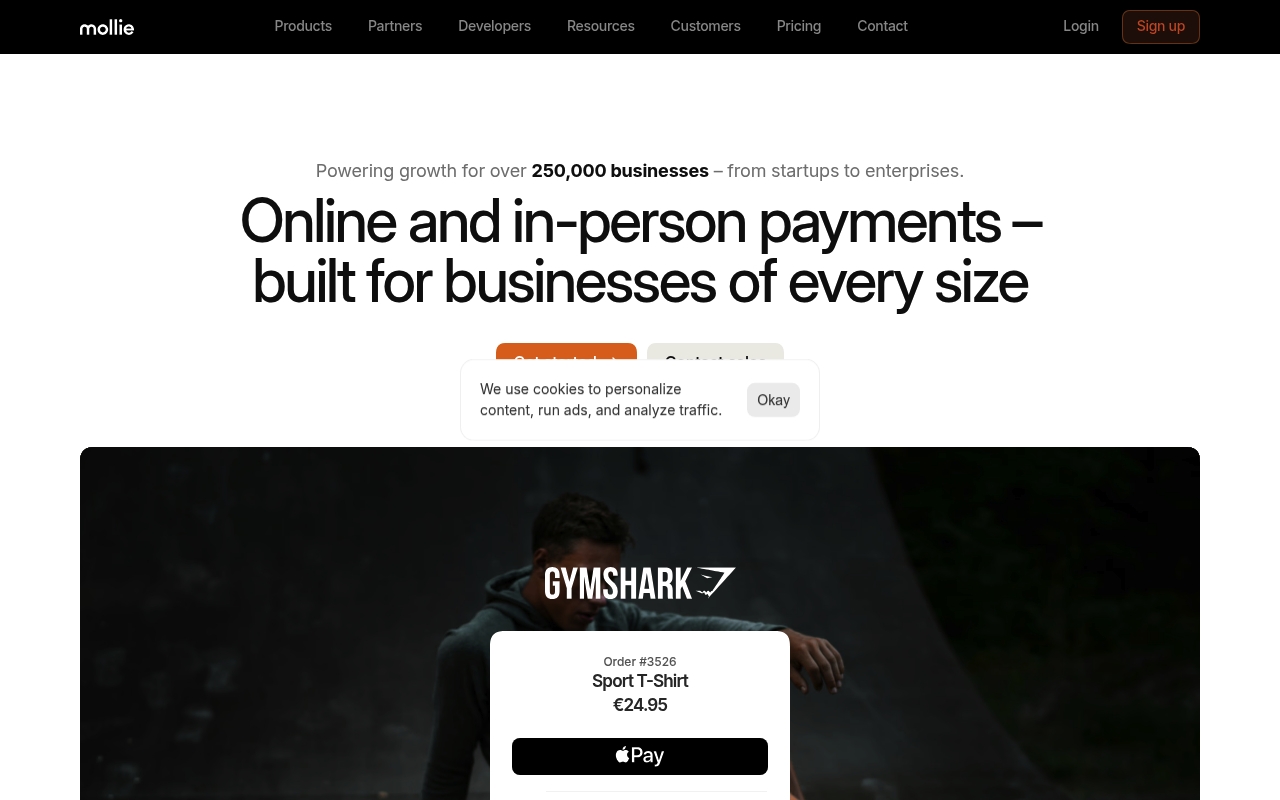
Mollie is a payment infrastructure company built for the internet age. Rather than forcing merchants through the byzantine setup process traditional payment processors demand, Mollie strips away the friction. You connect a few APIs, define your payment methods, and suddenly you're accepting everything from credit cards to local payment schemes across Europe—all without the operational headache of managing multiple provider relationships.
What sets Mollie apart is its uncompromising focus on developer experience. The company treats its payment platform the way SaaS companies treat their core products: with obsessive attention to documentation, dashboard clarity, and API elegance. Mollie handles the compliance complexity, the fraud monitoring, the settlement logistics. Merchants get a single pane of glass.
For a continent fragmented by payment preferences—iDEAL in the Netherlands, Bancontact in Belgium, SEPA everywhere—Mollie's multi-method approach feels essential rather than nice-to-have. The company works at the intersection of European e-commerce growth and the technical debt of legacy payment infrastructure, making it indispensable to thousands of online businesses that would rather build products than negotiate with acquiring banks.
Mollie has become something like the connective tissue of European payments: not as visible as the brands merchants serve, but embedded in the transaction flows of digital commerce across the continent.
Categories
PaymentsFinancial Infrastructure
1
upvotes
paysera.com
Paysera
paysera.com🇱🇹 Lithuania
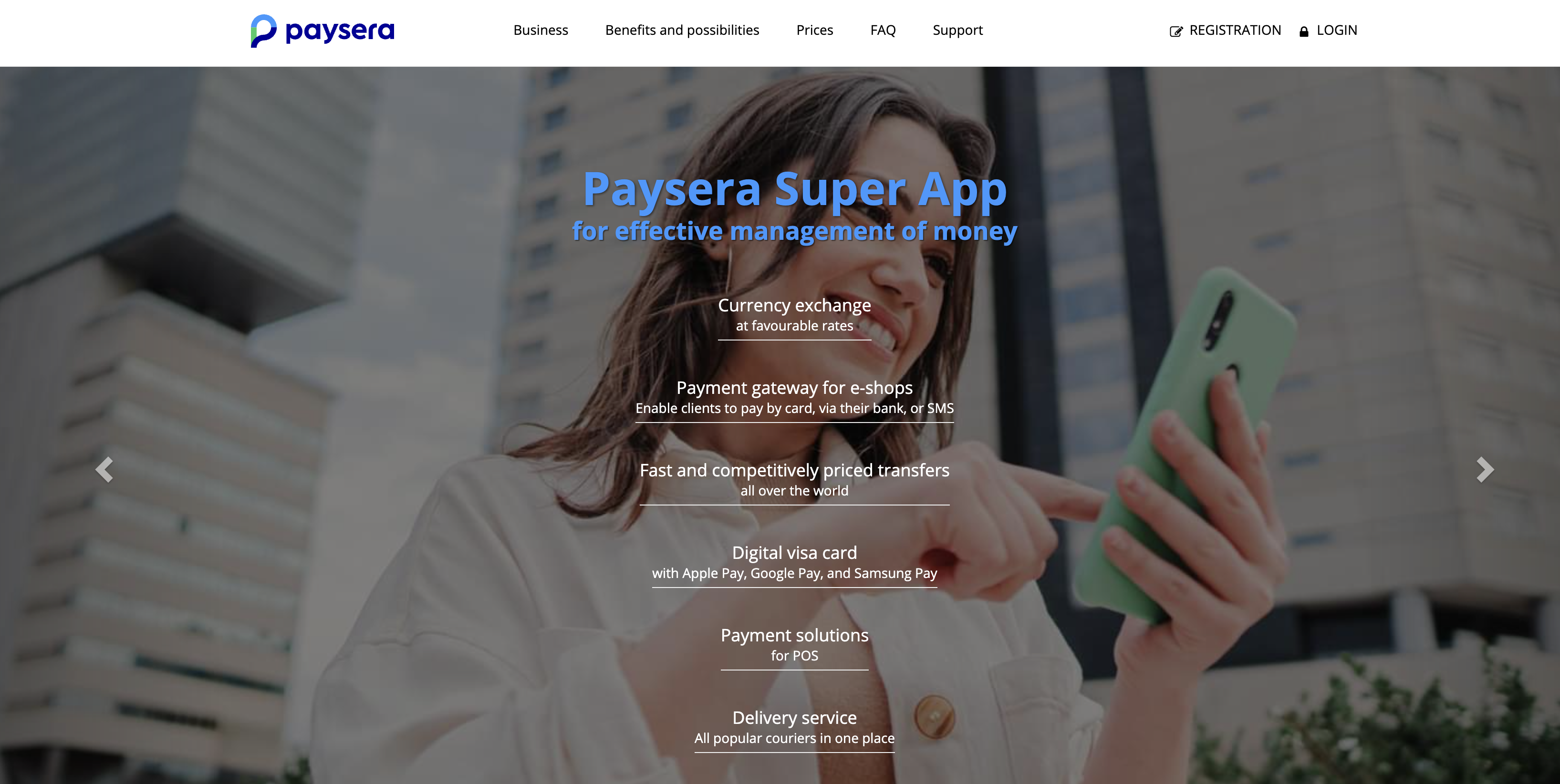
Paysera is a Lithuanian fintech company that has quietly built one of Europe's most comprehensive payment and banking platforms, serving millions of users across the continent. Rather than chasing hype, Paysera focuses on practical utility—combining payment processing, digital accounts, currency exchange, and invoicing tools into a single interface that works across borders and languages. The platform powers everything from freelancers managing invoices to SMEs handling payroll, while also offering consumer-facing services like multi-currency wallets and competitive exchange rates. What sets Paysera apart is its unglamorous pragmatism: it solves real friction in how Europeans move, spend, and manage money across different countries, without the startup theatrics. It's the kind of company that doesn't dominate headlines but has become indispensable infrastructure for a significant portion of the continent's digital economy. In the crowded European fintech landscape, where newer players chase consumer attention and legacy banks chase compliance, Paysera operates in the profitable middle—trusted by businesses and individuals who value reliability and cross-border simplicity over brand prestige.
Categories
Financial InfrastructurePaymentsDigital BankingSME Finance
0
upvotes
adyen.com
Adyen
adyen.com🇳🇱 Netherlands
Adyen is the global payments infrastructure that powers the world's biggest brands. Founded in Amsterdam and now operating across every major market, it's the connective tissue between retailers, their customers, and the financial system—processing everything from online checkouts to in-store transactions to marketplace payouts in a single, unified platform.
What sets Adyen apart is its refusal to operate as a traditional payments middleman. Instead of bolting together separate processors, gateways, and acquirers, it built its own infrastructure from the ground up, meaning faster settlement, lower friction, and genuine transparency on what you're actually paying. You see this philosophy everywhere: merchants get real-time visibility into their payments, developers integrate once and reach hundreds of payment methods, and the company has stayed agnostic to trends—it processes crypto as easily as it processes credit cards, embedded payments as easily as it processes commerce.
In a market crowded with legacy processors and upstart fintechs, Adyen occupies a unique position: it's genuinely global without being a sprawling conglomerate, technically sophisticated without being inaccessible, and profitable without relying on venture capital.
For enterprises serious about payments—whether they're selling fashion, booking flights, or managing marketplaces—Adyen represents the modern alternative to fragmented, outdated payment stacks.
Categories
PaymentsFinancial InfrastructureEmbedded Finance
0
upvotes
ebury.com
Ebury
ebury.com🇬🇧 United Kingdom
Ebury is a fintech platform that helps small and medium-sized businesses manage their international payments and foreign exchange exposure. Founded in 2009, the company has grown into a significant player in cross-border commerce, serving thousands of SMEs across Europe and beyond who need to move money across currencies without the friction and cost of traditional banking.
The platform combines payment processing, FX services, and working capital financing into a single interface. Rather than juggling multiple bank relationships and struggling with opaque exchange rates, businesses get transparent pricing, competitive rates, and a digital-first experience that actually reflects how modern commerce operates. Ebury handles the complexity of international payments—whether that's paying suppliers in Poland, collecting revenue in Singapore, or managing exposure across dozens of currencies.
What sets Ebury apart in a crowded market is its focus on the unglamorous but essential problem of trade finance for SMEs. While fintechs chase consumer banking or headline-grabbing crypto plays, Ebury has quietly become indispensable to thousands of businesses that simply need reliable, cost-effective cross-border infrastructure. The company has expanded beyond payments into working capital solutions, recognizing that businesses moving money internationally often need flexible financing alongside their payment rails.
Ebury represents a pragmatic slice of European fintech—solving real problems for real businesses, generating sustainable revenue, and building the kind of B2B financial infrastructure that underpins European commerce.
Categories
PaymentsSME FinanceLendingTreasury
0
upvotes
pleo.io
Pleo
pleo.io🇩🇰 Denmark
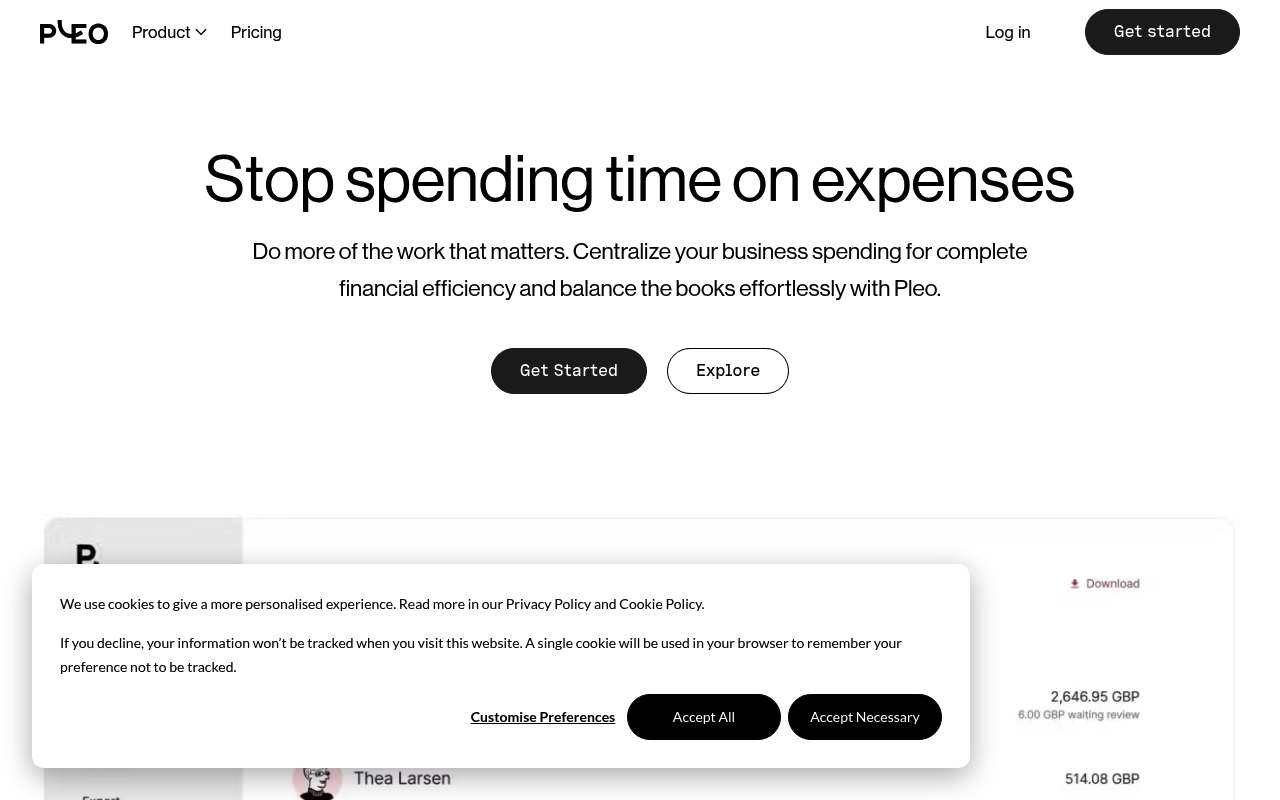
Pleo is a corporate expense management platform that treats company spending like a personal finance problem solved through software. Rather than the tedious reimbursement cycles and spreadsheet chaos of traditional corporate cards, Pleo gives employees physical and virtual cards coupled with real-time expense categorization and approval workflows that happen at the speed of a Slack message.
The company positions itself as the antidote to finance teams drowning in manual reconciliation. Employees get instant card access, automatic receipt capture via smartphone, and intelligent categorization that learns spending patterns. Meanwhile, finance teams gain real-time visibility into company spending without the usual lag and friction.
Pleo operates in a market where most companies still rely on legacy corporate card providers or outdated expense management software that feels bolted together from the 1990s. The Danish fintech has expanded across Europe, building a platform that combines the convenience of consumer fintech with the compliance and control requirements of enterprise finance.
It's become a reference point for how embedded finance and B2B SaaS can simplify workflows that enterprises have tolerated as painful for decades. The company sits comfortably at the intersection of business banking, card issuing, and expense automation—categories that individually are crowded but rarely integrated as seamlessly.
Categories
Digital BankingSME FinancePayments
0
upvotes
wallester.com
Wallester
wallester.com🇪🇪 Estonia
Wallester is a European fintech infrastructure company that makes it simple for other businesses to issue, manage, and distribute payment cards at scale. Rather than wrestling with legacy banking systems and complex integrations, companies use Wallester's APIs and platforms to embed card programs directly into their own products—think neobanks, fintechs, and platforms that need white-label card solutions without the operational overhead. The company handles the technical plumbing: card issuance, real-time transaction processing, compliance, and customer-facing controls, all delivered through clean, developer-friendly APIs. Wallester operates across multiple European markets and works with everyone from emerging challenger banks to established financial institutions looking to modernize their card infrastructure. What sets Wallester apart is its focus on removing friction from the card-issuing process. Most issuers are bound to cumbersome core banking relationships or have to build entirely custom solutions. Wallester sits in the middle, offering a turnkey platform that scales with demand without forcing companies to reinvent core banking. It's become a quiet backbone for European fintechs that need cards fast, reliably, and without the bureaucracy. The company represents a broader trend in fintech infrastructure: the unbundling of banking services into modular, API-first components that let smaller players compete with traditional incumbents.
Categories
Financial InfrastructurePaymentsEmbedded Finance
0
upvotes
transfergo.com
TransferGo
transfergo.com🇬🇧 United Kingdom
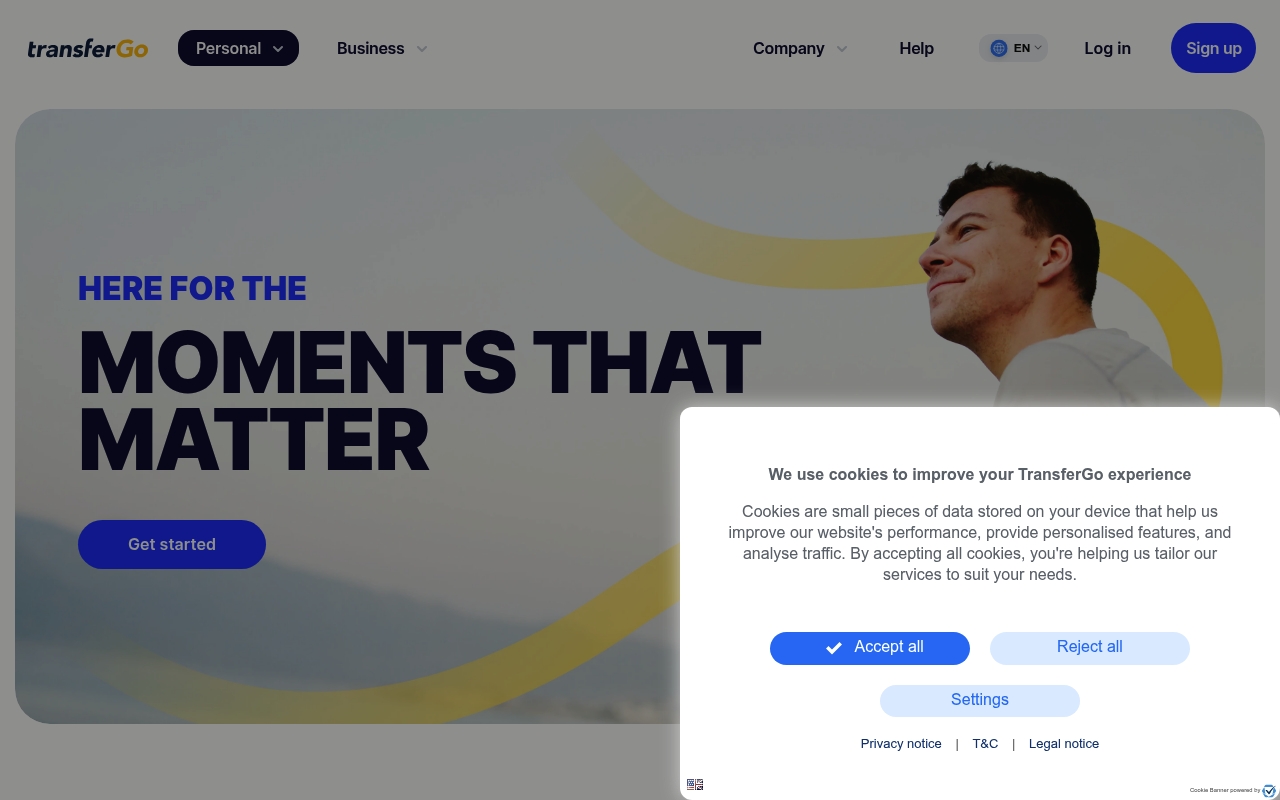
TransferGo is a cross-border payments specialist designed for migrant workers and diaspora communities who need to send money home affordably. Rather than competing on speed alone, the platform focuses on real-time exchange rates, minimal fees, and straightforward pricing—cutting out the markup games that traditional remittance corridors have relied on for decades.
The company operates as a regulated money transfer service across Europe and beyond, with a mobile-first interface that makes it simple to send cash to family in over 130 countries. TransferGo handles the backend complexity—banking partnerships, compliance, currency hedging—so users just see a clean app and a fair price.
In a market crowded with both fintech startups and legacy players, TransferGo stands apart by obsessing over the remittance corridor rather than trying to be everything to everyone. It's built explicitly for the migrant use case, not retrofitted from a general payments platform. That focus shows in its product roadmap, its marketing, and its partnerships across Central Europe and Asia.
The company represents a broader shift in remittances: away from physical agents and opaque markups, toward transparent, regulated digital-first services that respect the sender's money and the receiver's time.
Categories
Payments
0
upvotes
rampnetwork.com
Ramp
rampnetwork.com🇵🇱 Poland
Ramp is rewriting how companies spend money. Built for finance teams tired of spreadsheets and manual processes, it combines a corporate card, expense management, and accounting integrations into a single platform that actually talks to the software finance teams already use. Most corporate card programs feel like they were designed in 1995. Ramp feels like software built this decade—mobile-first, API-forward, and deeply integrated with tools like NetSuite and QuickBooks. The company started by solving a real problem: CFOs and controllers wasting hours reconciling card statements and expense reports. Instead of patching that broken workflow, Ramp replaced it entirely. You get a card, real-time spending controls, automated categorization, and instant syncing to your accounting system. No more manual entries, no more approval bottlenecks, no more spreadsheet chaos. The platform goes deeper than most competitors by combining physical and virtual cards with embedded controls—spend limits by department, merchant category, or individual employee. Finance teams can actually enforce policy in real time rather than auditing violations weeks later. Ramp operates in a crowded space, but it's differentiated by speed and simplicity. Where competitors try to be everything to everyone, Ramp has kept focus on what CFOs actually care about: reducing manual work, improving visibility, and cutting unnecessary spending. Its integration-first approach means it's not trying to replace your entire finance stack—it's designed to slot in and make your existing tools work harder. For mid-market companies tired of manual expense management and lacking the complexity of enterprise-grade solutions, Ramp has become the obvious choice. It's also been ruthless about profitability, reaching positive unit economics early, which matters in a category where many competitors burned through billions before proving their model worked.
Categories
SME FinancePaymentsFinancial Infrastructure
0
upvotes
monese.com
Monese
monese.com🇬🇧 United Kingdom
Monese is a mobile-first digital bank built for people outside the traditional banking system. Launched over a decade ago, it's carved out a distinct niche: helping migrants, freelancers, and the underbanked access basic financial services without the gatekeeping of legacy banks. The company operates across Europe with a particular focus on underserved demographics who struggle with conventional account opening or minimum balance requirements.
At its core, Monese offers a straightforward value proposition—a fully digital account accessible via smartphone, with no credit history required and no minimum balances. Customers get a debit card, money transfers, and basic savings features. The company's original mission centered on migrant workers sending money home, and that identity still runs through the product.
What sets Monese apart is its willingness to serve people traditional banks have written off. While challenger banks have become increasingly mainstream, Monese remained focused on financial inclusion rather than chasing the wealthy. The regulatory journey has been steady: it holds a UK banking license and operates under PSD2 across the EU, giving it real credibility as a proper bank, not just a wallet.
Monese represents a quieter type of fintech success—less flashy than neobank unicorns, more durable than trend-chasing startups. It's a blueprint for what happens when you solve a genuine problem for a real, underserved market and stick with it.
Categories
Digital BankingPayments
0
upvotes
nexi.it
Nexi
nexi.it🇮🇹 Italy
Nexi is Italy's largest payment services operator, controlling the infrastructure that moves money across the country's retail and corporate sectors. Founded in 2013 through a merger of two major Italian payment processors, it manages card transactions, merchant acquiring, and digital payment rails for banks, retailers, and businesses across Europe.
The company operates across the full payments stack—from traditional POS terminals and card networks to modern API-based solutions and instant payment systems. Unlike most fintech startups, Nexi doesn't target consumers directly. Instead, it powers the payment backbone for Italian and European financial institutions and retailers, processing tens of billions in transactions annually. Its business model sits at the intersection of traditional payment infrastructure and modern open banking, positioning it as a critical node in Europe's shift toward real-time payments and embedded finance.
Nexi's role is unglamorous but essential: it's the plumbing that makes modern commerce work, handling everything from contactless cards to mobile wallets to cross-border transfers. In the broader European fintech landscape, it represents the "boring" but profitable core—the infrastructure layer that fintechs themselves depend on to function.
Categories
PaymentsFinancial InfrastructureOpen Banking
0
upvotes