Country
Companies10 of 15
finbee.lt
Finbee
finbee.lt🇱🇹 Lithuania
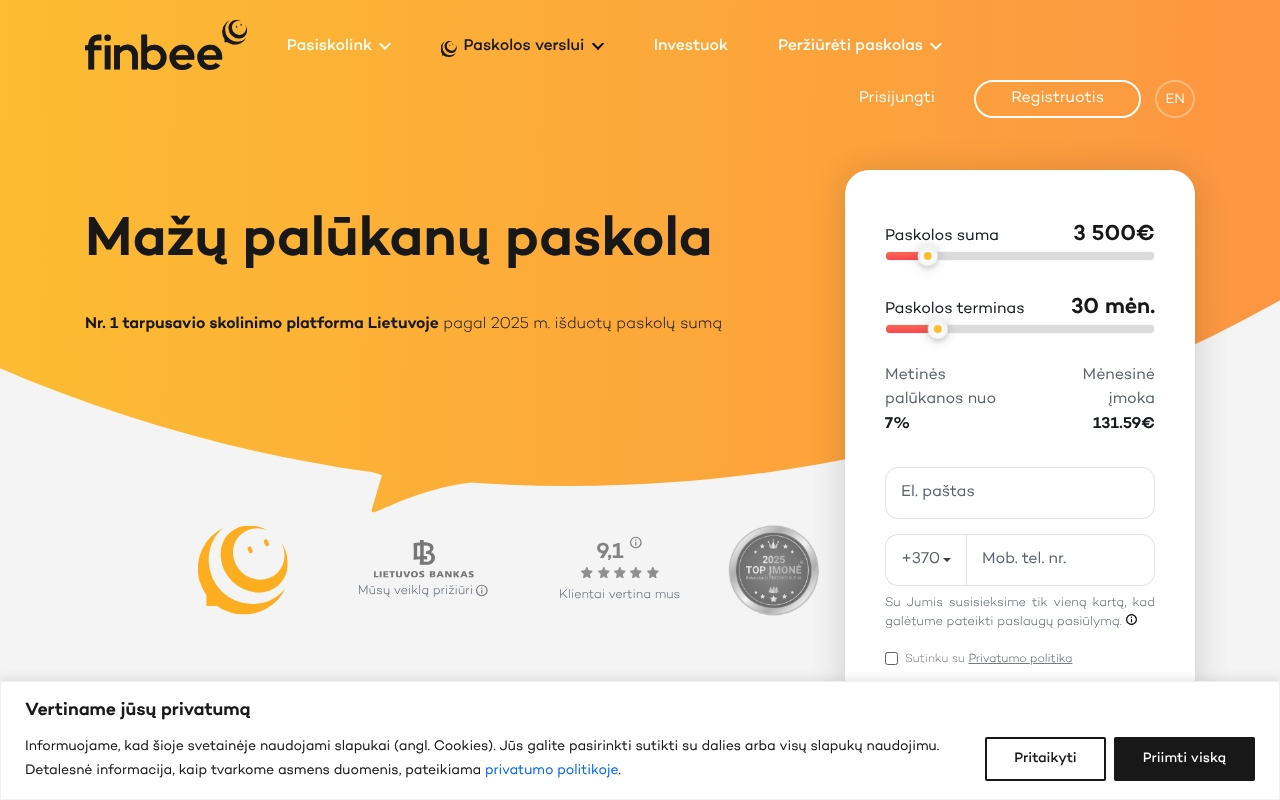
Finbee is a Lithuanian savings app that strips away the friction from European personal finance. Rather than another account aggregator or expense tracker, Finbee fixes what most banking apps get wrong: the psychology of actually saving money. The app gamifies the savings experience, letting users set goals and automate contributions through smart rules and challenges that make putting money aside feel less like punishment and more like winning.
What sets Finbee apart is its focus on behavioral change. While competitors built dashboards and dashboards, Finbee studied how people actually save and built around that. The app connects to your existing bank accounts and automatically funnels money toward savings goals based on rules you define—round-ups on purchases, percentage of income, or manual injections triggered by spending patterns. It's savings infrastructure for a generation that doesn't trust their bank's savings account alone but also doesn't want to manage spreadsheets.
In the fragmented European savings market, where neobanks compete on features and traditional banks barely innovate, Finbee occupies a cleaner niche: the dedicated savings layer on top of your regular banking stack. It's grown across the Baltics and beyond by focusing relentlessly on retention rather than acquisition, which means the app actually makes people save instead of just letting them log in once and forget.
Finbee represents the emerging category of behavioral fintech—tools that don't just move money, but reshape how people think about it.
Categories
Personal Finance
0
upvotes
revolut.com
Revolut
revolut.com🇱🇹 Lithuania
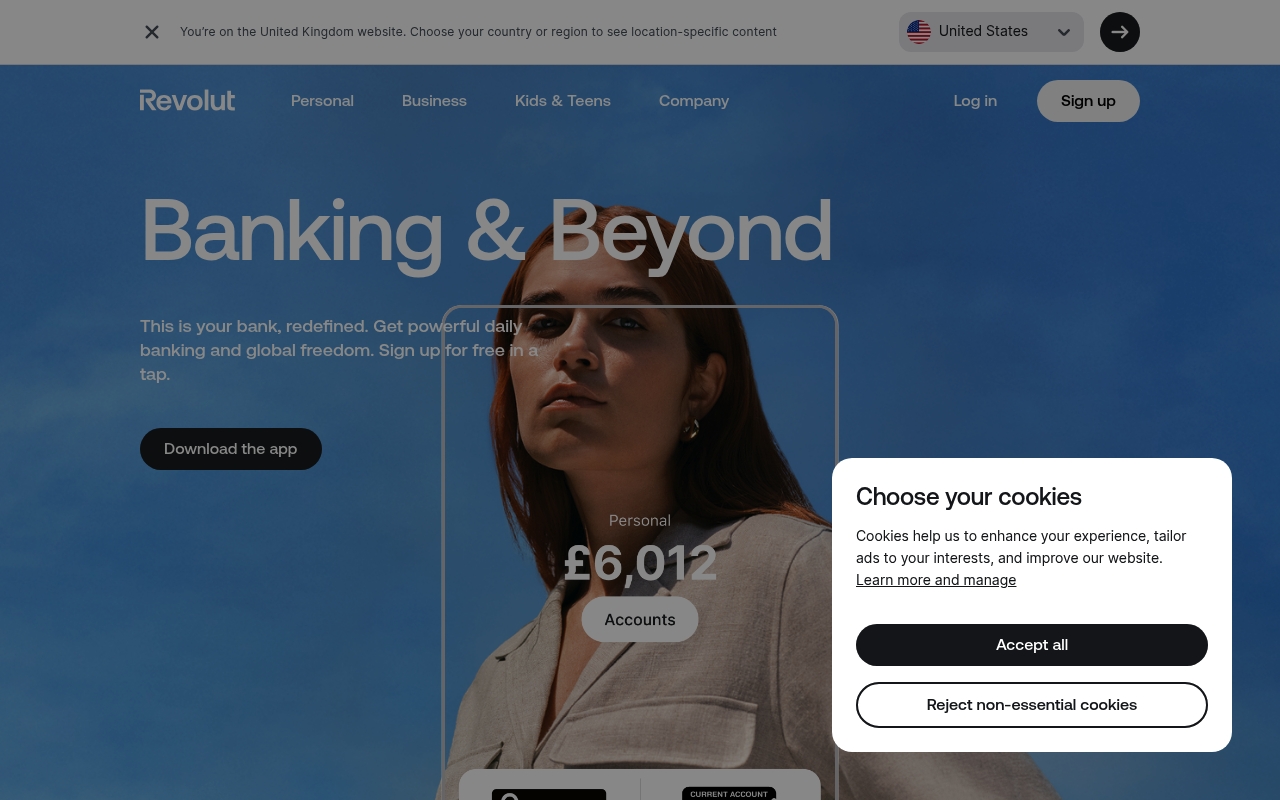
Revolut is a London-born mobile banking platform that turned the idea of a bank in your pocket into reality. It started as a borderless payments app and has evolved into something far more ambitious: a full-stack financial operating system for the smartphone generation. Most traditional banks still treat international transfers as a painful, expensive legacy process. Revolut made them free and instant.
The app combines a debit card, multi-currency accounts, cryptocurrency trading, insurance, and investment tools into a single interface. It's designed for people who spend time across borders, who think in multiple currencies, and who want their financial life streamlined into one place rather than scattered across apps. Founded in 2015, Revolut has grown into one of Europe's most recognizable fintech brands, with millions of active users across the continent. The company operates its own banking licenses in multiple jurisdictions, giving it the regulatory foundation to move fast where traditional banks move cautiously.
What sets Revolut apart is its refusal to accept friction as inevitable. Travel shouldn't require currency conversion fees. Payments shouldn't require knowing IBAN codes. Investing shouldn't require a separate broker account. In the broader fintech landscape, Revolut represents the shift toward unbundled, mobile-first financial services that challenge the notion that banking needs to be complicated.
Categories
Digital BankingPaymentsWealthCrypto & BlockchainPersonal Finance
0
upvotes
rauva.com
Rauva
rauva.com🇵🇹 Portugal
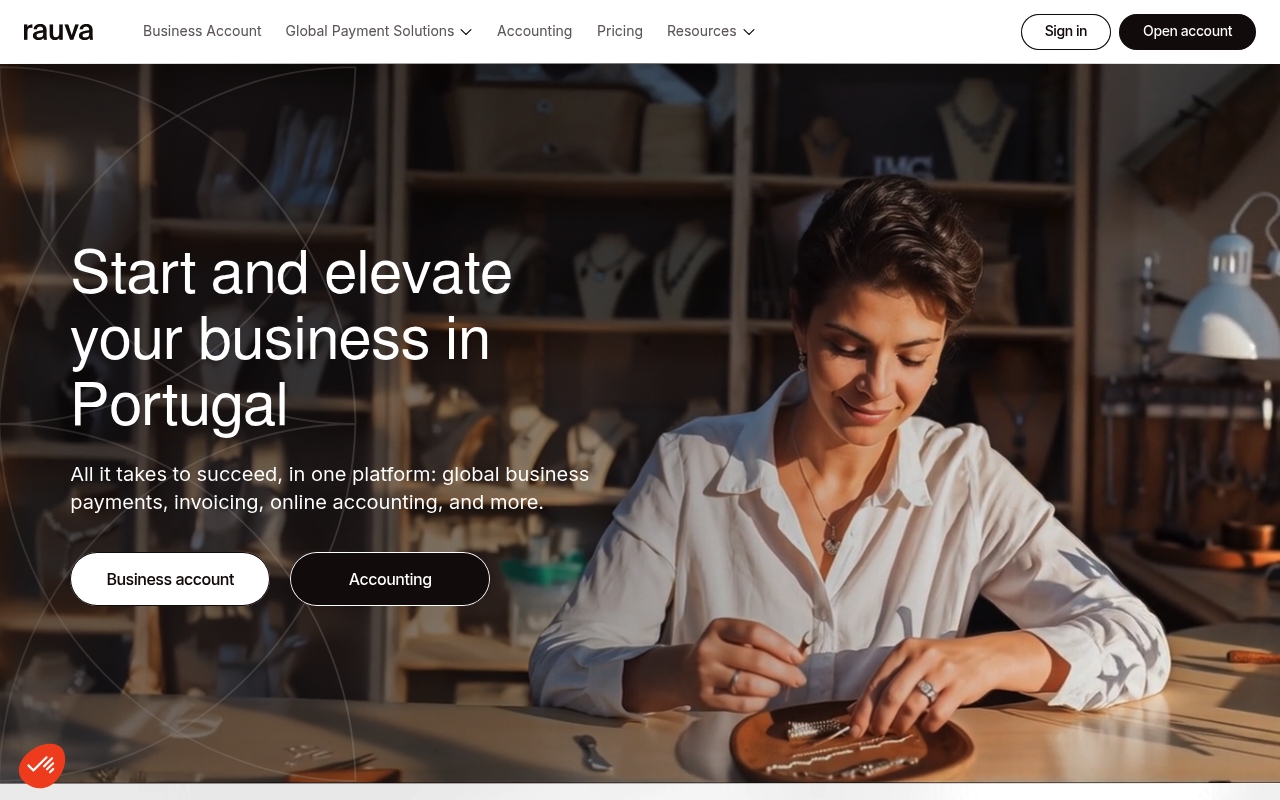
Rauva is a fintech platform built specifically for small business owners who are tired of juggling spreadsheets and fragmented tools. It combines invoicing, expense tracking, and financial reporting into a single dashboard, giving SMEs real-time visibility into their business finances without the accountant overhead. The platform connects directly to bank accounts and automatically categorizes transactions, turning raw financial data into actionable insights.
What sets Rauva apart is its focus on simplicity and speed. Rather than forcing businesses through complicated setup processes or charging enterprise-level fees, it delivers straightforward features that address the immediate pain points SMEs face: understanding cash flow, managing invoices, and staying on top of tax obligations. The interface feels built for people who run businesses, not for finance professionals.
In the crowded landscape of SME fintech, Rauva competes by refusing complexity. While competitors bundle accounting, payroll, and inventory management into bloated suites, Rauva stays laser-focused on financial visibility and reporting. It's the kind of tool a busy founder pulls up on Monday morning without needing a training session. The company has positioned itself as the alternative to traditional accounting software that feels stuck in the 2000s and overly expensive cloud-based platforms that are overkill for small teams.
Rauva represents the practical middle ground in SME finance: powerful enough to matter, simple enough to use.
Categories
SME FinancePersonal Finance
0
upvotes
monzo.com
Monzo
monzo.com🇬🇧 United Kingdom
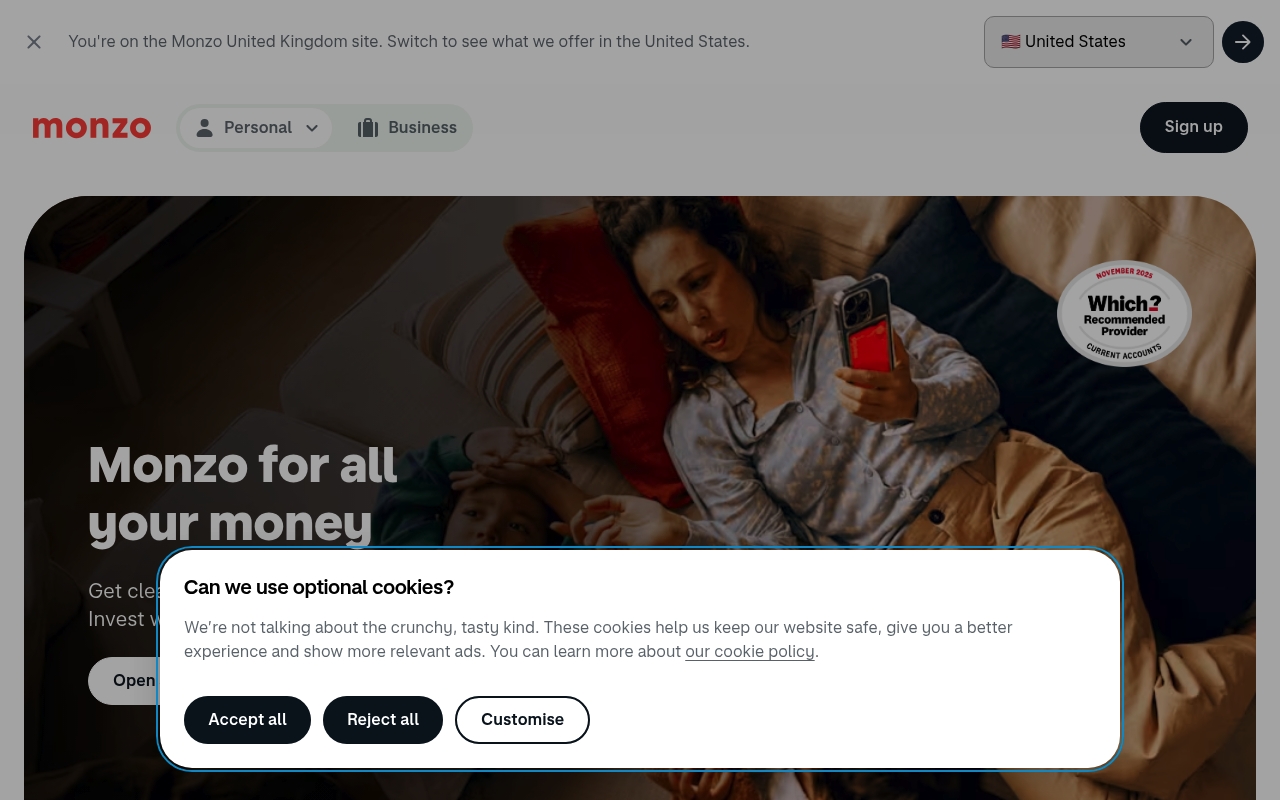
Monzo is a mobile-first digital bank that has spent the last decade proving that banking doesn't need to feel like a relic from the 1980s. Built for smartphones rather than retrofitted onto them, the app strips away the friction of traditional banking—opening an account takes minutes, spending notifications arrive in real time, and money management happens where you're already looking: your phone.
The company operates as a fully licensed UK bank, not just a payments layer on top of someone else's infrastructure. That matters. It means Monzo holds deposits, offers overdrafts, issues physical and virtual debit cards, and increasingly functions as a complete financial home for a generation that never wanted a branch.
What separates Monzo from the neobank noise is its relentless focus on customer experience and transparency. There are no hidden fees, no complicated terms, and the company communicates directly with users through in-app messaging. Spending analytics happen automatically; budgeting tools surface insights without lectures. The interface is designed for people, not processes.
In the European fintech landscape, Monzo represents the mature challenger bank—no longer purely disruptive, but profitable and expanding. It's expanded beyond the UK into Europe, launched business accounts, and continues to add services like savings pots and financial wellness features. It's the answer to the question: what happens when a digital bank stops experimenting and starts becoming the primary financial account.
Categories
Digital BankingPersonal Finance
0
upvotes
bitpanda.com
Bitpanda
bitpanda.com🇦🇹 Austria
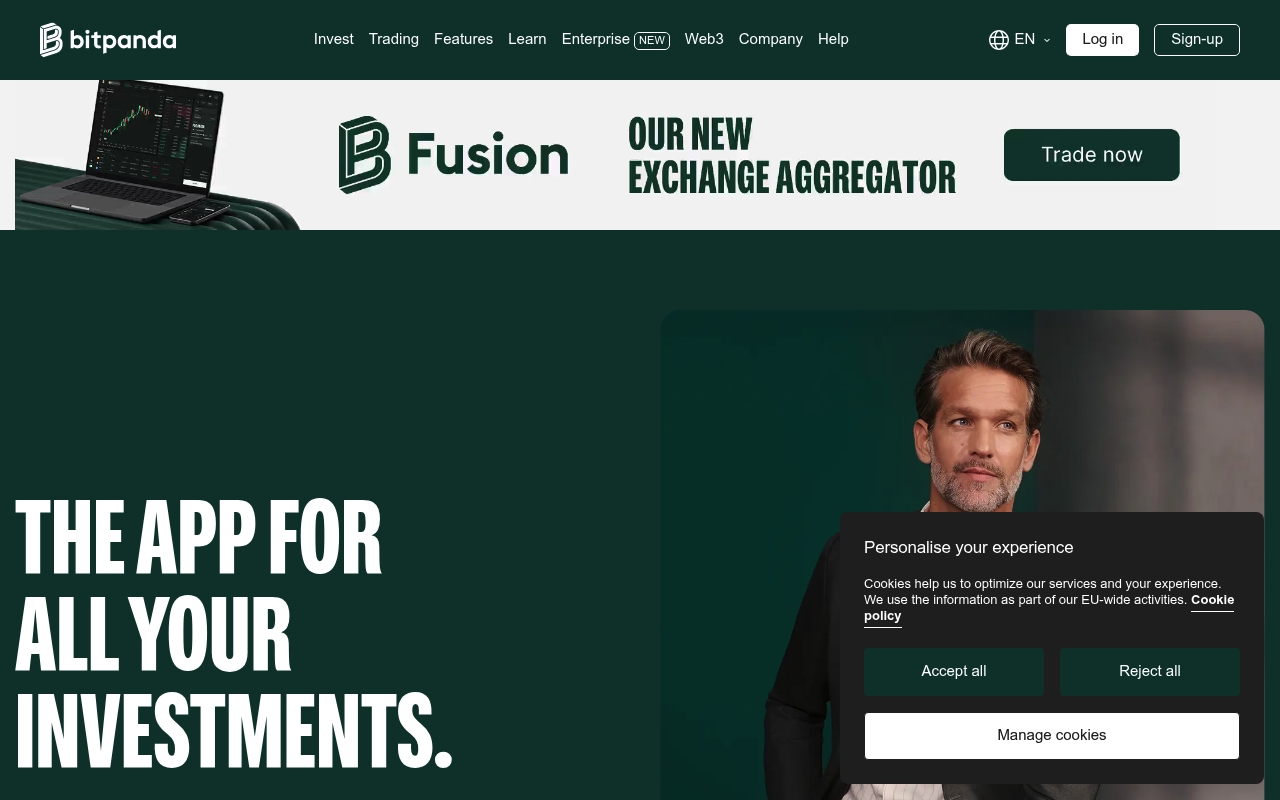
Bitpanda is a Vienna-based fintech that democratized crypto investing for European retail users who found traditional exchanges intimidating or inaccessible. The platform launched in 2014 as a Bitcoin marketplace and evolved into a multi-asset investment app that lets anyone buy fractions of crypto, stocks, metals, and commodities with a few taps on their phone.
What sets Bitpanda apart is its aggressive focus on the everyday investor rather than crypto enthusiasts. The app strips away complexity, offers micro-investing (you can buy €1 worth of Bitcoin), and integrates savings automation through its Bitpanda Savings feature. It's become a household name in German-speaking Europe, with a clean mobile-first interface that appeals to younger savers who want exposure to alternative assets without the friction of traditional brokerages.
Bitpanda operates across multiple business units: a consumer investment app, an institutional trading platform called Bitpanda Pro, and Bitpanda Elements, its white-label infrastructure play for financial institutions. The company expanded beyond crypto into traditional asset classes to capture a broader addressable market and hedge regulatory risk as European crypto rules tightened.
Among European retail investment platforms, Bitpanda ranks as a serious contender—well-funded, profitable, and operating under tight regulatory scrutiny. It represents a shift in how Europeans think about alternative investments: not as speculative sidebets but as legitimate wealth-building tools accessible to anyone with a smartphone.
Categories
WealthCrypto & BlockchainPersonal Finance
0
upvotes
blackcat.app
Blackcat
blackcat.app🇩🇪 Germany
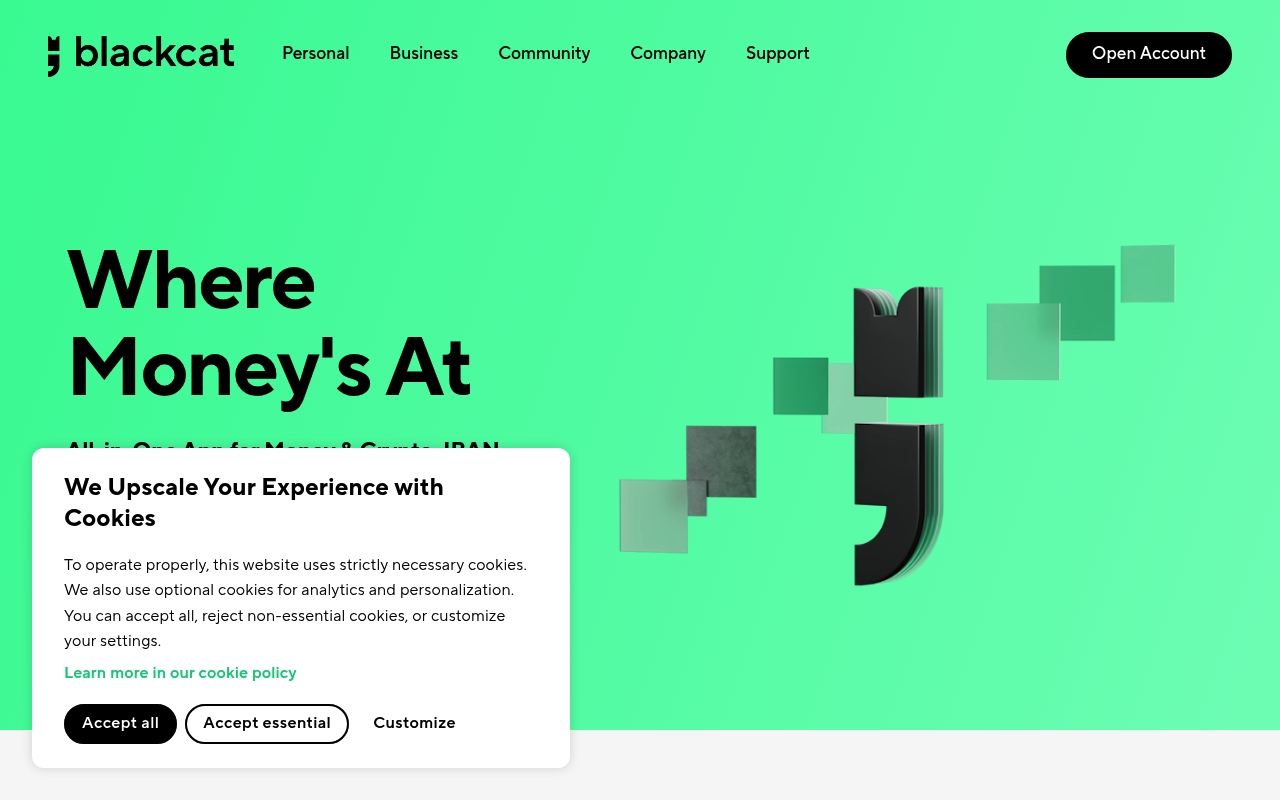
Blackcat is a German fintech platform designed to help freelancers and self-employed professionals manage their finances with minimal friction. Rather than forcing users into complex accounting workflows, Blackcat simplifies the entire money flow—from invoicing to tax filing—with a mobile-first interface that feels more like a consumer app than enterprise software.
The platform tackles a real pain point in the European freelance economy: most existing tools are either bloated legacy systems or fragmented point solutions that don't talk to each other. Blackcat bundles invoicing, expense tracking, tax preparation, and business banking into one coherent experience, removing the cognitive load of juggling multiple services.
What sets Blackcat apart is its opinionated approach to simplicity. Rather than mirroring traditional accounting software's feature sprawl, it prioritizes the workflows that matter most to freelancers—getting paid faster, documenting expenses, and staying tax-compliant without the headache. The platform's integration with German tax authorities and compliance frameworks positions it as particularly valuable in the DACH region, where self-employed taxation can be notoriously complex.
In a market crowded with accounting tools and SME platforms, Blackcat represents a new generation of fintech that starts with the freelancer's actual needs rather than retrofitting legacy processes into a digital wrapper. It's part of a broader shift toward consolidated SME finance platforms that understand that complexity itself is the problem.
Categories
SME FinancePersonal Finance
0
upvotes
buut.com
BUUT
buut.com🇳🇱 Netherlands
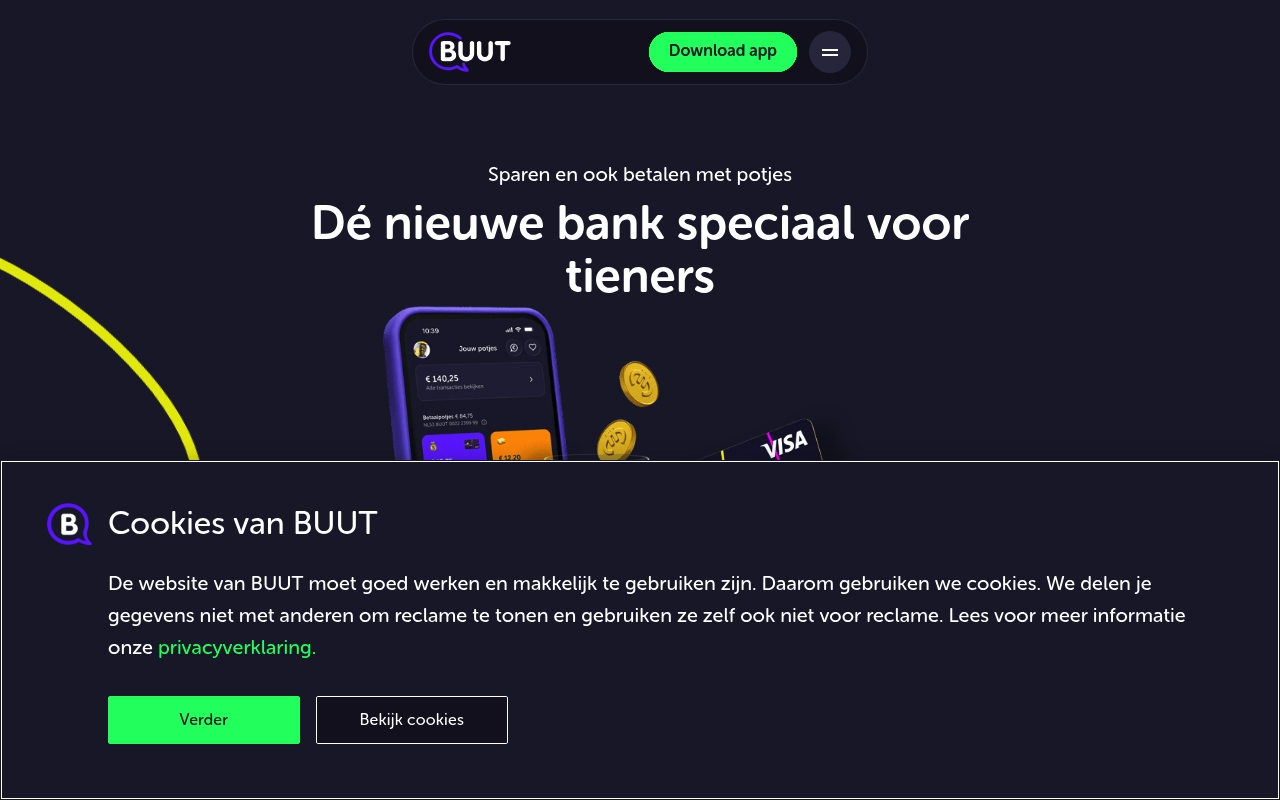
BUUT is part of a new wave of European neobanks rethinking what everyday banking should feel like—this time with a specific audience in mind: young users aged 10 to 16. Instead of overwhelming first-time users with complex features, it leans into simplicity, guidance, and a smoother introduction to managing money.
At its core, BUUT is designed to make financial habits easy to build early on. The app focuses on clean design, intuitive navigation, and a user experience that feels natural from the start. Spending, saving, and tracking money are presented in a way that’s easy to understand—less like dealing with a bank, and more like using a well-designed everyday app.
There’s also a shift in tone compared to traditional banking. BUUT speaks to a younger audience without talking down to them. It removes the friction and confusion that often come with financial tools, replacing it with clarity and a sense of control. The aim isn’t to teach finance through complexity, but to make good habits feel almost automatic.
What sets BUUT apart is its restraint. While many fintech apps compete to become all-in-one financial platforms, BUUT keeps things focused. It prioritizes usability and trust—especially important when users are just starting to interact with money on their own.
That makes it particularly relevant for a new generation growing up fully digital. BUUT fits naturally into their daily lives, offering a first step into financial independence without the intimidation factor.
In a crowded European fintech landscape, BUUT stands out by doing less, but doing it thoughtfully—helping younger users build confidence with money from the very beginning.
Categories
Personal FinanceDigital Banking
0
upvotes
younited-credit.com
Younited Credit
younited-credit.com🇫🇷 France
Younited Credit sits at the intersection of consumer lending and fintech, offering personal loans to borrowers across Europe who want speed and transparency instead of the bureaucratic friction of traditional banks. Founded in 2011, the company has evolved from a peer-to-peer lending marketplace into a full-stack credit platform that sources, prices, and services loans for both retail customers and institutional partners.
The core product is straightforward: quick online approval (often minutes), competitive rates based on real underwriting, and a streamlined digital experience that feels more like ordering something on your phone than sitting in a bank branch. What distinguishes Younited from the crowded European consumer lending space is its scale and sophistication. Rather than just operating a marketplace, the company has built proprietary credit scoring models, automated servicing infrastructure, and a diversified funding model that includes institutional investors, warehouse financing, and securitization. This means Younited isn't dependent on peer-to-peer investors or a single funding source—it can grow independently. The platform operates across multiple European markets and has become a quiet infrastructure player for consumer credit, processing loans for direct borrowers while also powering lending for third parties through white-label partnerships. In an era when legacy banks still treat personal lending like a commodity and fintechs are scrambling to prove unit economics, Younited represents the pragmatic middle ground: technology-first underwriting and customer experience wrapped around a business model that actually scales profitably.
Categories
LendingPersonal Finance
0
upvotes
zopa.com
Zopa
zopa.com🇬🇧 United Kingdom
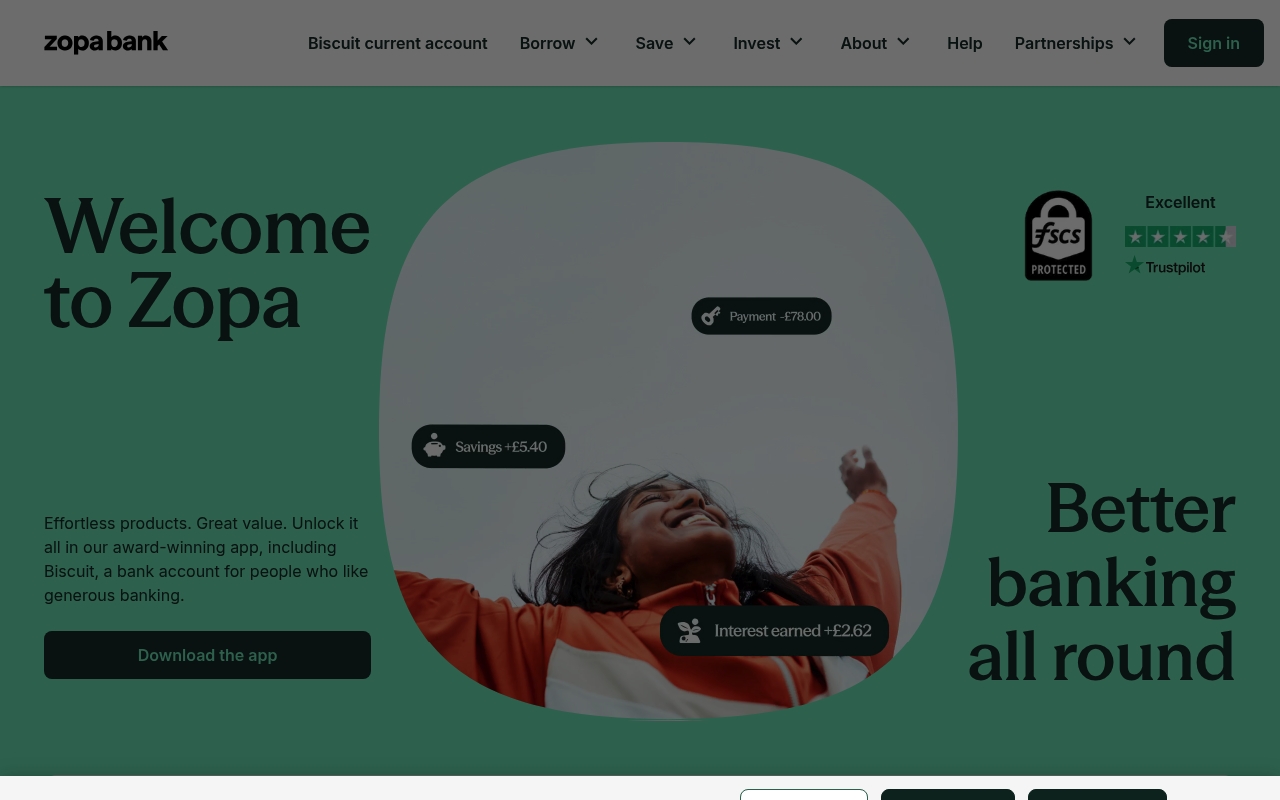
Zopa is one of Europe's longest-running peer-to-peer lending platforms, though it's evolved well beyond that origin story. What started as a way to connect borrowers and savers directly has matured into a more sophisticated consumer credit player that combines traditional lending infrastructure with a distinctly digital-first approach. The company now operates across unsecured personal loans, credit products, and a growing fintech ecosystem that blends borrowing, saving, and investing.
At its core, Zopa sits at the intersection of traditional consumer finance and fintech disruption. It's not a bank trying to be digital, nor is it a pure lending marketplace anymore—it's something closer to a modern credit platform that understands both the mechanics of real lending and the UX expectations of digital natives. The platform uses data and technology to assess creditworthiness in ways that older lenders rarely do, and it's built a customer base that appreciates transparency in borrowing costs.
In the European consumer lending landscape, Zopa occupies a unique position. It arrived earlier than most, which has given it brand recognition that newer competitors still lack, but also the burden of evolution—moving from a community-driven marketplace model to a more scalable, institutional lending model. Unlike many fintech lenders that chase rapid growth through aggressive marketing, Zopa has maintained a reputation for responsible lending and clear communication, which appeals to the thoughtful borrower rather than the desperate one.
Today, Zopa represents a maturing segment of fintech: the lesson that technology alone doesn't guarantee success, but technology paired with operational discipline and regulatory responsibility does. It's a blueprint for how a 2005-era fintech idea can actually sustain and scale in 2024.
Categories
LendingPersonal Finance
0
upvotes
traderepublic.com
Trade Republic
traderepublic.com🇩🇪 Germany
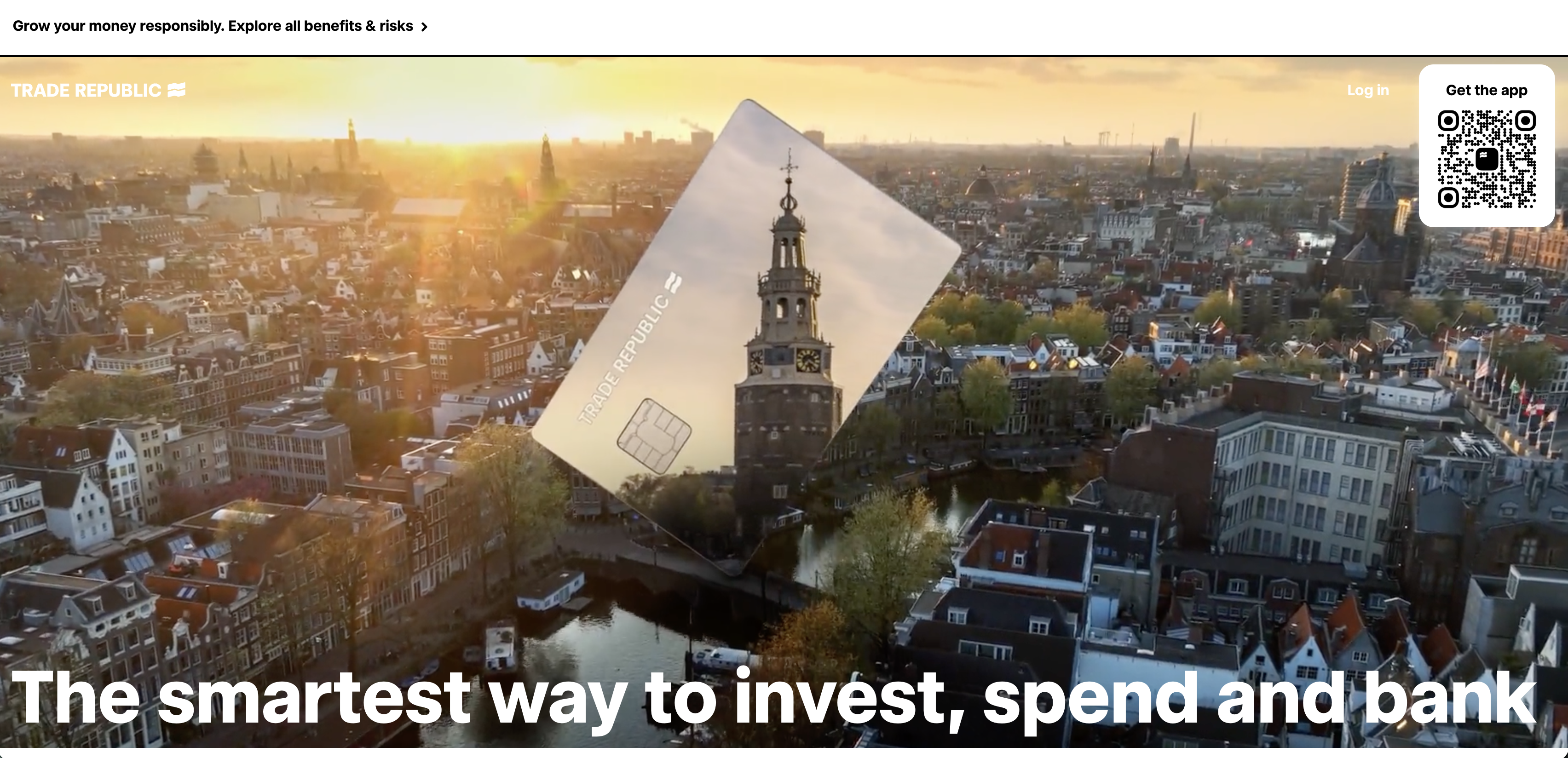
Trade Republic has fundamentally rewritten the script for European retail investing. Where traditional brokers demanded minimums, paperwork, and fees that could swallow returns, this Berlin-based neobroker arrived in 2015 with a smartphone app and a radical premise: investing should cost almost nothing and take seconds.
The platform trades stocks, ETFs, and fractional shares across multiple European exchanges with zero commissions. Its core strength is simplicity—the interface strips away complexity while maintaining the depth serious investors expect. Execution is fast, the fee structure is transparent (mostly subscription-based rather than per-trade), and the onboarding process reflects modern expectations around speed and convenience.
Trade Republic sits at the convergence of neobanking and trading. While competitors like Revolut added trading as a secondary feature, Trade Republic built the entire experience around it. The company holds banking licenses across multiple EU jurisdictions, giving it the infrastructure to manage cash, offer savings features, and issue debit cards—all in service of becoming a financial operating system for young Europeans.
Its expansion beyond trading into banking products reflects a broader industry shift: the most valuable fintech companies aren't specialists anymore. They're ecosystems. Trade Republic's role in the European fintech landscape is as a proof of concept that direct-to-consumer wealth management, executed with design discipline and regulatory precision, can scale rapidly while maintaining unit economics that would make traditional brokers blush.
Categories
WealthDigital BankingPersonal Finance
0
upvotes