Lavanet
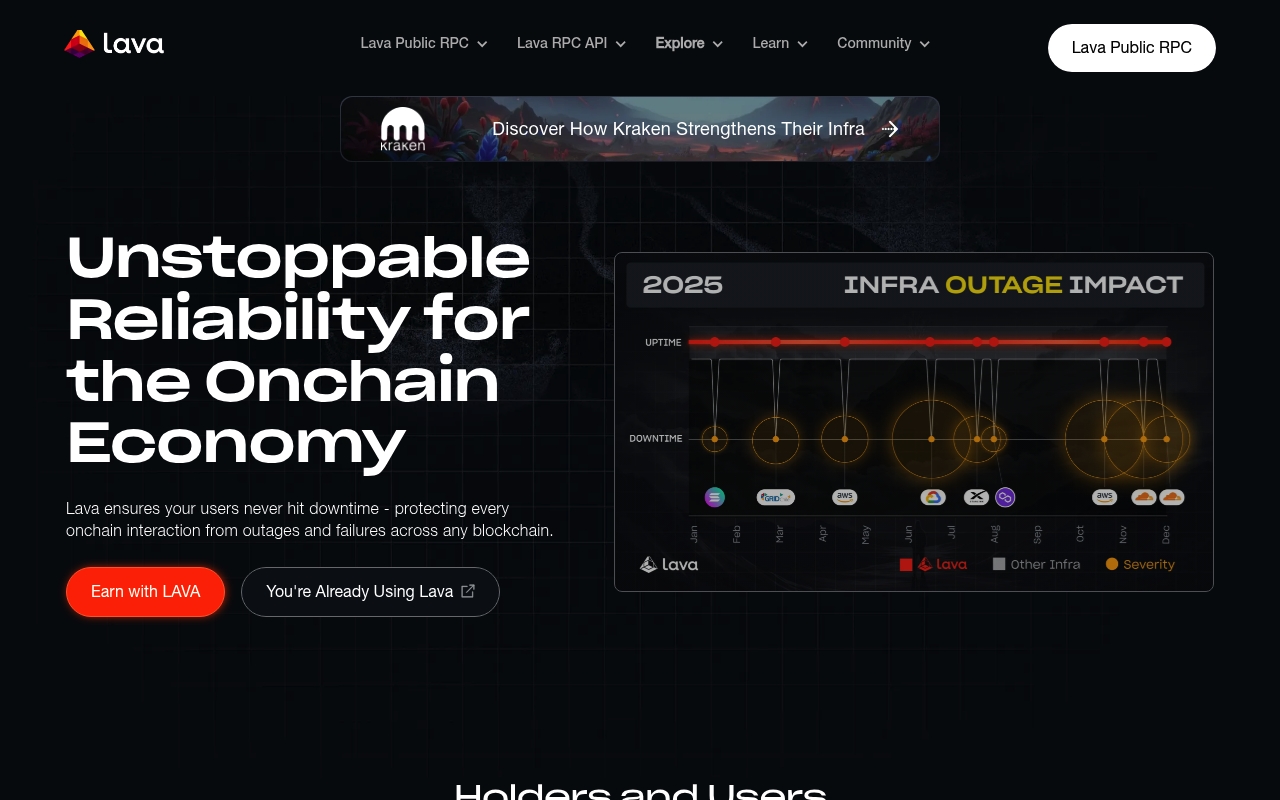
Lavanet is building a decentralized infrastructure network that lets applications and services tap into blockchain resources without the usual constraints of centralized providers. Think of it as a peer-to-peer marketplace for computational power, but for Web3 apps. Instead of relying on a single RPC provider or node operator, developers can access redundant, distributed infrastructure that's both more reliable and resistant to censorship. The network operates through a token-incentivized model where node operators earn rewards for serving requests, creating an open market for blockchain infrastructure rather than a walled garden controlled by a few large players. This approach addresses a real friction point in crypto adoption: the dependency on centralized infrastructure providers that can throttle, monitor, or shut down access. Lavanet democratizes access to blockchain resources by spreading that responsibility across thousands of independent operators. For developers, it means faster, cheaper, and more resilient connections to blockchains. For node operators, it's an opportunity to monetize spare computational capacity. In the broader context of decentralized finance and Web3, Lavanet represents infrastructure-layer innovation—the kind of plumbing work that rarely gets headlines but is essential for making the entire ecosystem more robust and genuinely decentralized.